Song Meaning
The lyrics paint a stark picture of a home collapsing, both literally and figuratively, after a prolonged period of metaphorical snow. This snow, which lasted "three years," finally stops, and with it, the structure of the family and their dwelling disintegrates. Misha, the central figure, was seemingly insulated by ordered dreams, paid for by someone else, but now his house is gone, leaving only "doors foolishly standing" like an unwelcome guest. The scene shifts to fragmented family members: a grandmother hoarding food, a sister seeking refuge, and a father recalling a past trauma while seemingly abandoning Misha.
The core tension lies in the aftermath of this collapse. The father's words, "Now we have no hallway / No roof Misha, we are not a family," mark a definitive severing. He instructs Misha to forget everything he was taught, both prohibitions and lessons, effectively releasing him into a vast, indifferent world. This severance is framed by the father's own past, referencing an earthquake and a past act of rocking Misha, creating a disturbing parallel between past comfort and present abandonment. The father's final instruction to Misha to "take her [the dog], she is yours, do what you want" is particularly chilling, offering a surrogate for a lost pet but imbued with a sense of nihilistic freedom.
The most striking craft element is the surreal imagery used to reframe Misha's reality. The father encourages Misha to imagine the snow as the "fur of a stray dog" under the "red light of a lantern." This transformation of the oppressive, lingering snow into a living, albeit stray, creature is a dark metaphor for Misha's newfound, unmoored existence. The father's contradictory commands – offering a dog Misha always wanted but was forbidden, then telling him to do "what you want" with it – highlight the chaotic and potentially destructive nature of his freedom. The grandmother's gesture, pointing at the dog and shooing Misha away, reinforces the theme of abandonment, even from those who might seem to care.
These lyrics resonate because they capture the disorienting feeling of a world falling apart and the painful, confusing nature of sudden, unearned freedom. The writing doesn't offer solace but instead presents a raw, almost dreamlike depiction of loss and the unsettling implications of being told to simply "go where you want" in a world stripped bare. The final image of the grandmother's dismissal, urging Misha towards his "red stray dog," leaves a lingering sense of bleakness and the uncertain path ahead.
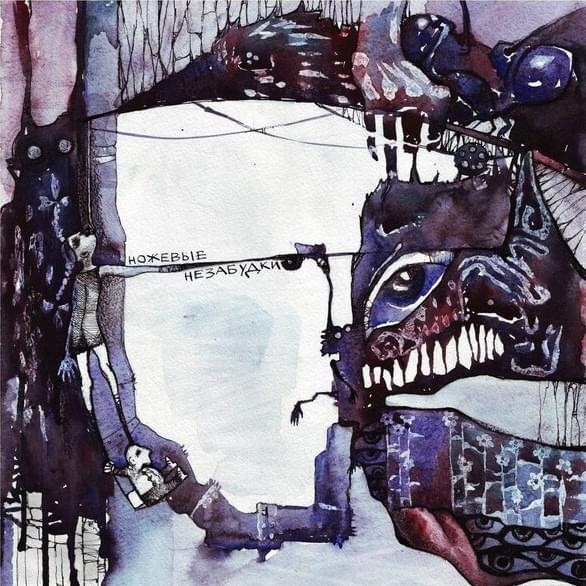
 View Artist