Song Meaning
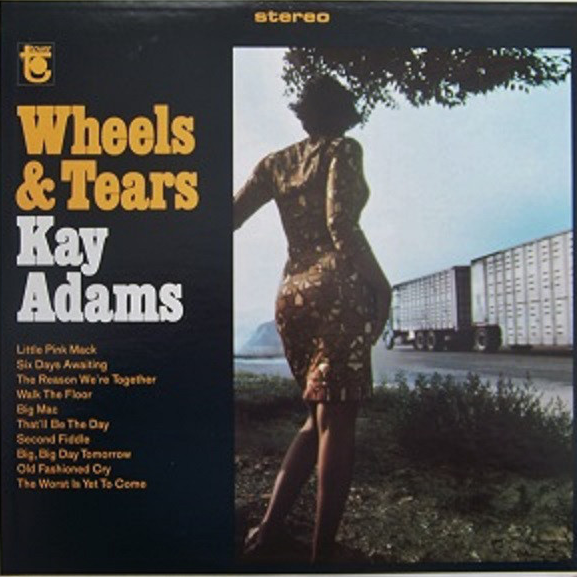
Kay Adams's "Second Fiddle" isn't just a country lament; it's a raw, exposed nerve of romantic self-doubt. The song meaning centers on the crushing realization of being perpetually relegated to the supporting role in someone's love life. It’s a role the narrator seems resigned to, almost fatalistic about, as if her destiny is pre-ordained to forever shadow someone else's happiness. The title itself, "Second Fiddle," is a stark metaphor for emotional inferiority, a constant undercurrent of not being *enough*. The repetition of the line "Why must I always have to play second fiddle in your heart" isn't just lyrical filler; it's a desperate, internalized question, a plea for understanding that likely goes unanswered. It speaks to a deep-seated insecurity, a fear of inadequacy that transcends any particular relationship.
Adams doesn't shy away from the vulnerability inherent in this position. The lyrics hint at a pattern of behavior, with the narrator acknowledging she's played this role "just like all the others I played for in the past." This isn't a one-off heartbreak; it's a chronic condition. The "teardrops tell a story of a love that just won't die" line is particularly poignant, suggesting an enduring, perhaps even unhealthy, attachment to someone who consistently chooses others. The metaphor of the "early mornin' paper the news you get just part" is a subtle, yet effective way of illustrating how she only receives fragments of her beloved's life, never the full story, always kept at arm’s length.
The musicality, presumably traditional country, would likely amplify the song's inherent sadness, using the fiddle as a symbolic extension of the narrator's pain. The repeated refrain, "So play fiddle play will there never come a day / When I won't have to play the part of second fiddle in your heart," functions as both a lament and a kind of self-inflicted wound. It's a question posed not to the object of her affection, but to the universe itself, a weary acceptance of her perceived fate. "Second Fiddle," therefore, is more than just a heartbreak ballad; it's a study in the psychology of unrequited love and the corrosive effects of persistent emotional neglect.
 View Artist