Song Meaning
Kay Adams' "Old Fashioned Cry" isn't just a country lament; it's a masterclass in melancholic minimalism. The song's power lies in its stark simplicity, painting a portrait of grief so raw it feels almost voyeuristic. Adams doesn't overload us with detail; instead, she offers carefully chosen snapshots of a life haunted by absence. The 'lights of the city' become a nightly trigger, a reminder of the vibrant world continuing outside while the narrator is trapped in a loop of memory and mourning. The 'old friends' aren't companions, but echoes of conversations past, replayed with a phantom limb ache. The ticking clock, a classic symbol of time's relentless march, here emphasizes the stagnation of grief, the feeling of being stuck while the world moves on.
The recurring image of the photograph on the dresser is especially potent. It's a fixed point in a shifting landscape of sorrow, a constant reminder of what's been lost. The 'smile' in the photograph adds a layer of complexity. Is it a genuine expression of joy, now twisted by the pain of separation? Or is it a mocking reminder of a happiness that can never be reclaimed? The act of turning off the lights is telling. It's a deliberate retreat into darkness, a symbolic shutting out of the world to fully embrace the sorrow. This isn't about seeking comfort; it's about surrendering to the pain, allowing it to wash over completely.
"Old Fashioned Cry" is a study in the rituals of grief. It highlights the ways we create private spaces for sorrow, the routines we develop to manage, or perhaps indulge, our pain. The 'old fashioned' aspect suggests a timeless quality to this kind of heartbreak. It's a grief that transcends trends, a fundamental human experience stripped down to its barest essentials: a memory, a photograph, and the darkness in which to let the tears fall. Kay Adams isn't offering a resolution, only an unflinching look at the anatomy of sorrow.
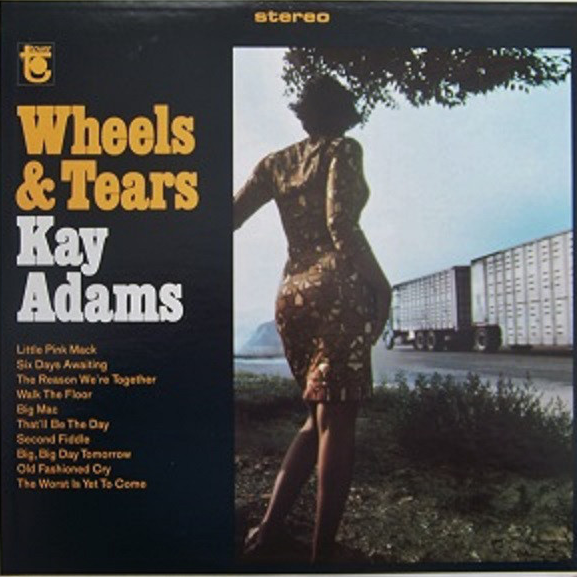
 View Artist