Song Meaning
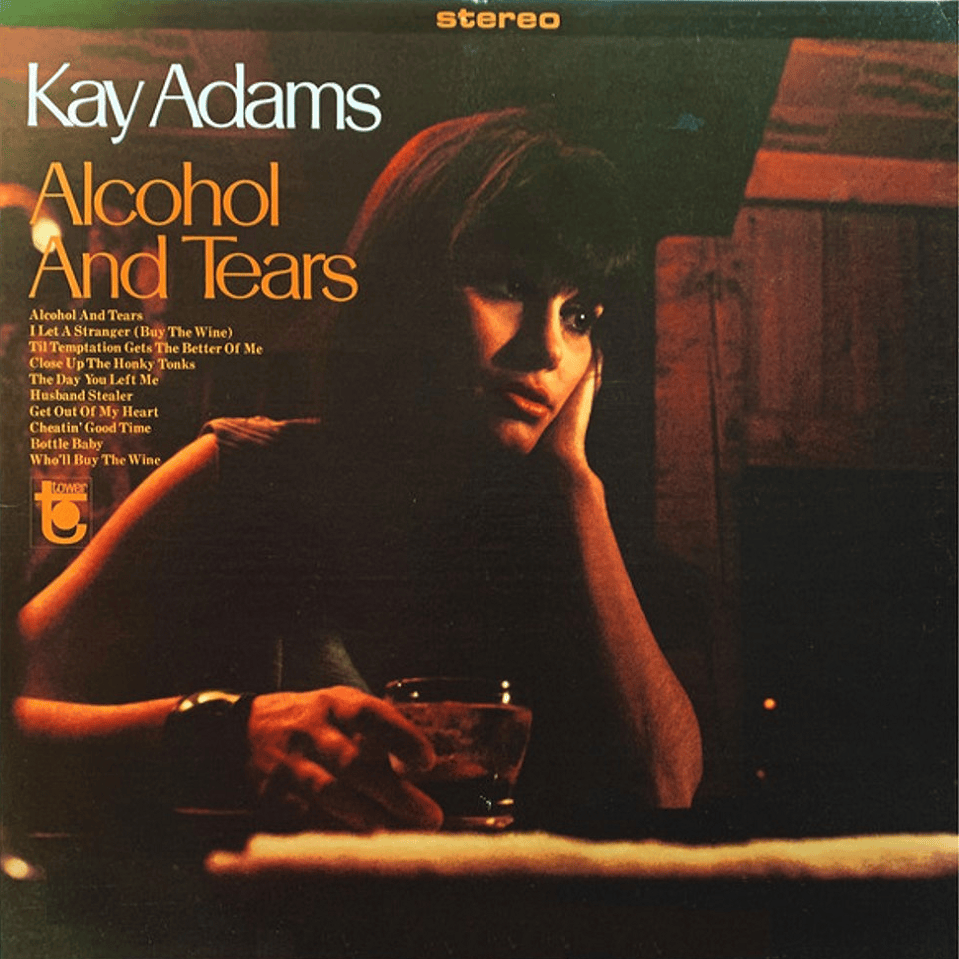
Kay Adams's "The Blue Whale" isn't just a country lament; it's a stark, unflinching portrait of transactional affection. The opening lines, contrasting a baby's bottle with something far more insidious, immediately establishes a sense of lost innocence. The singer's dependence isn't on love, but on the next pour, the next benefactor willing to "buy the wine." This sets the stage for a brutal honesty that permeates the entire song; the singer has become a commodity, her affections dictated by the highest bidder. It's a heartbreaking commentary on vulnerability and the choices made (or forced upon) after loss. The repeated line "it all depends on who will buy the wine" is not just a catchy hook; it’s the thesis statement of a life adrift, where agency is surrendered in exchange for fleeting moments of connection or, perhaps, mere survival.
The "honky tonky world" described isn't romanticized; it's "not so flashy," just "bright lights and booze." This reinforces the cyclical, almost mechanical nature of the singer's existence. The phrase "This kind of love just might as well be blind" suggests a deliberate dissociation, a psychological self-defense mechanism against the pain of repeated, superficial encounters. She is resigned to "sit and wait to be somebody's baby," a role that offers temporary comfort but ultimately reinforces her powerlessness. Adams isn't just singing about heartbreak; she's exploring the psychological toll of objectification and the erosion of self-worth.
Ultimately, "The Blue Whale" is a powerful exploration of dependency and the search for connection in a world that often reduces individuals to their transactional value. The song’s brilliance lies in its unflinching honesty and its ability to evoke empathy without resorting to sentimentality. It's a commentary on the human condition, filtered through the specific lens of a woman navigating a world where affection is often conditional and fleeting.
 View Artist