Song Meaning
{"song_id": 14915645, "meaning": "Julie London's \"You've Changed\" isn't just a lament; it's a post-mortem on a love affair, delivered with the smoky, world-weary resignation that defined her signature style. The sparseness of the lyrics—simply \"You've changed\" repeated like a funeral bell—underscores the totality of the transformation. It's not a fight, not a plea, but a stark observation of emotional decay. The sparkle is gone, the kisses are blasé; what was once vibrant and alive is now reduced to a careless yawn. London doesn't rage; she simply acknowledges the death of intimacy. It's the psychological gut-punch of realizing the person you loved is now a stranger. The change isn't a single act of betrayal but an erosion, a slow fade into indifference.
The core of the song meaning lies in the chasm between past and present. The lyrics point to specific instances of this departure: the forgotten \"I love you,\" the ignored stars, the vanished memories. These aren't just romantic clichés; they represent a fundamental shift in the lover's perception and engagement. The past, once a shared landscape of affection and wonder, is now a foreign country. The repeated assertion that \"I can't understand\" speaks to the cognitive dissonance of trying to reconcile the person they were with the person they are now. It's the bewilderment of realizing that the foundation of the relationship has crumbled, leaving behind only a hollow shell.
Ultimately, “You’ve Changed” isn’t just about heartbreak; it’s about the brutal recognition of impermanence. The line \"You're not the angel I once knew\" isn't a naive lament but a clear-eyed assessment of reality. People change, love fades, and sometimes, all that's left is the quiet devastation of knowing it's over. London's delivery, devoid of histrionics, amplifies the quiet horror of this realization. There's no room for negotiation or false hope; the change is irreversible, the ending inevitable. The song's power rests in its understated portrayal of a love affair's quiet expiration, a chilling reminder of the transient nature of human connection."}
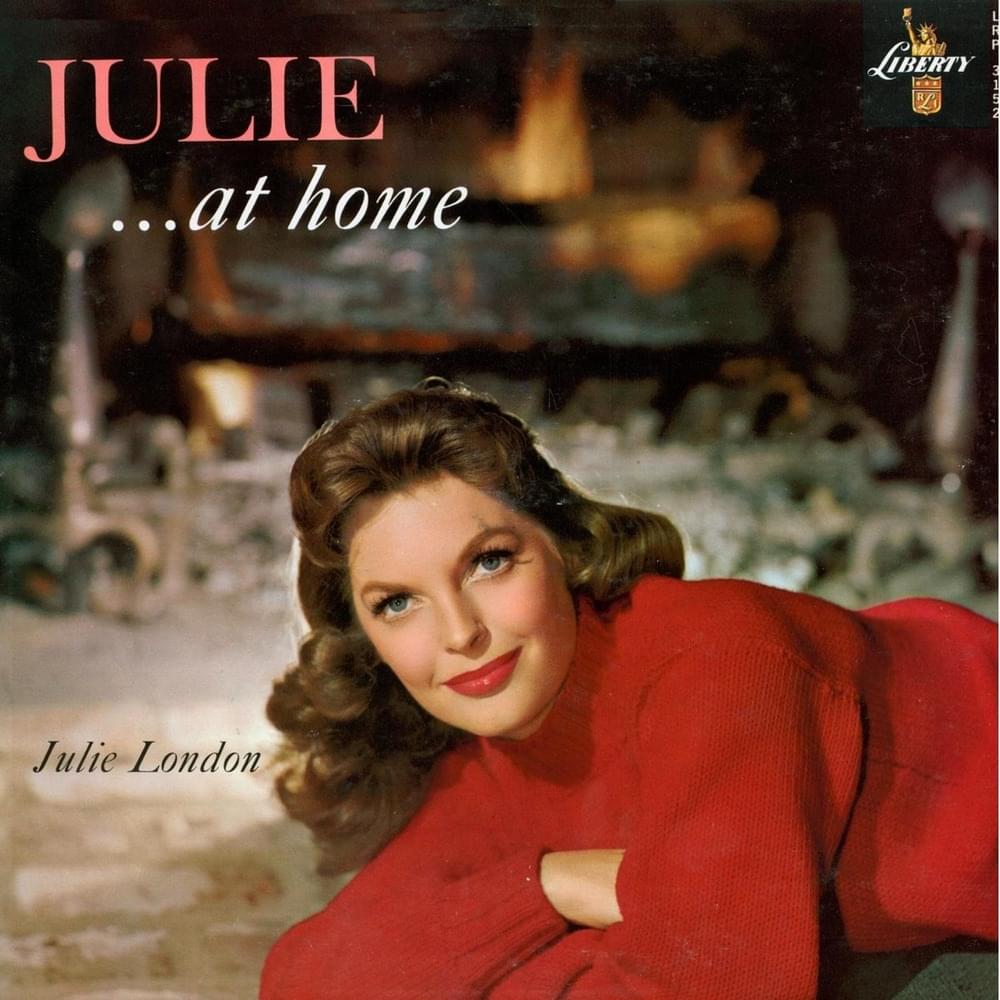
 View Artist