Song Meaning
Julie London's "When Your Lover Has Gone" isn't merely a lament; it's a masterclass in portraying the psychological desolation that follows lost love. The lyrics paint a stark landscape of emotional deprivation, where the external world's beauty—starlit skies, moonlight, sunrises—becomes utterly irrelevant, even nonexistent. This isn't just sadness; it's a flattening of affect, a clinical description of anhedonia where pleasure and joy are wiped clean by heartbreak. The opening lines immediately establish this sense of a world drained of vibrancy, contingent entirely on the presence of the absent lover. It speaks to the deeply human tendency to project our internal state onto our surroundings, a psychological mirroring where inner darkness eclipses all external light. The song meaning hinges on this profound sense of loss.
The passage of time, normally marked by dawn and dusk, becomes a torment in London's portrayal. The "lonely hours" are not just empty; they're actively filled with the pain of "memories lingering." This is the mind torturing itself, replaying scenes of joy now tainted by the present reality. The metaphor of "faded flowers" is particularly potent. It's not just about beauty decaying, but about the natural life cycle being disrupted, life itself losing its inherent value. This suggests a deeper existential crisis triggered by the lover's absence, where the very purpose of existence is called into question. The lyrics imply that the lover's departure has not only taken away a relationship, but also a fundamental part of the narrator's identity and sense of self.
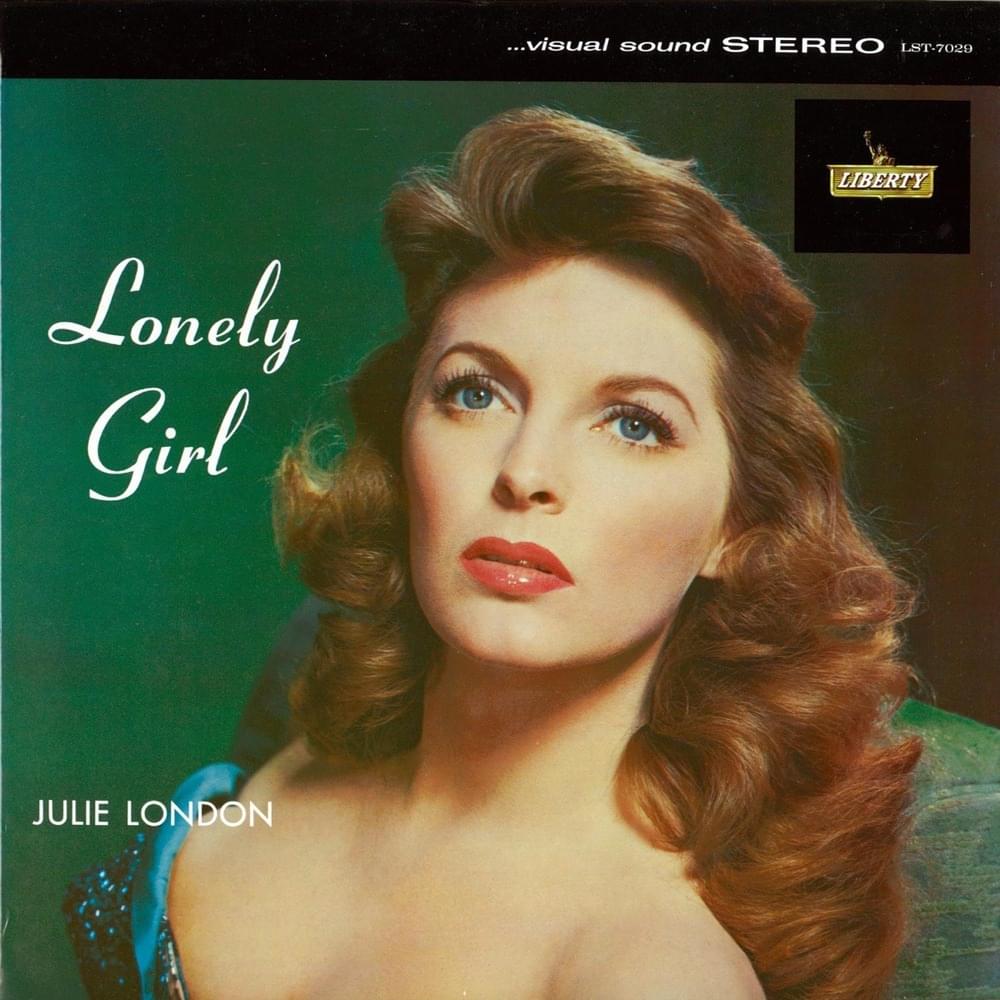
Ultimately, "When Your Lover Has Gone" resonates because it taps into the raw, almost primal fear of abandonment and the subsequent disintegration of meaning. It's a stark portrayal of how deeply intertwined our sense of self can become with another person, and the devastating consequences when that connection is severed. Julie London's interpretation, steeped in smoky vulnerability, only amplifies the song's inherent power to evoke the profound isolation that accompanies profound loss. The song isn't just about missing someone; it's about the psychological fallout of losing a vital anchor, a key component of one's own being. In its lyrical simplicity lies a complex and timeless understanding of the human heart's capacity for both love and despair.
 View Artist