Song Meaning
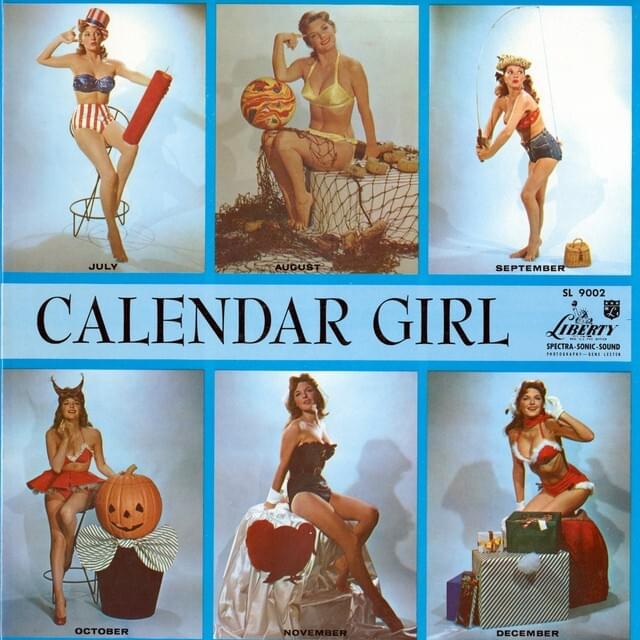
{"song_id": 14915613, "meaning": "Julie London's \"Time for August\" isn't just a breezy jazz standard; it's a sly anthem of unconventional desire. On the surface, the lyrics paint a picture of a woman eagerly anticipating her August romance, a member of a self-proclaimed \"Man-Of-The-Month Club.\" But beneath the playful melody lies a subversive embrace of female agency and sexual liberation, especially audacious for its time. The song cleverly uses the calendar as a metaphor for a series of short-lived but intensely felt connections, rejecting the societal expectation of monogamy in favor of a rotating roster of lovers. London's delivery, with its signature smoky sultriness, adds a layer of knowing confidence to the sentiment.
The genius of \"Time for August\" lies in its unapologetic celebration of pleasure. The narrator isn't ashamed or conflicted about her arrangement; she's downright enthusiastic. Lines like \"You can bet that I'm twelve times as happy / As gals with only one man a year\" are delivered with a wink, suggesting a conscious rejection of traditional relationship norms. August, the man, becomes a symbol of pure, unadulterated joy, a temporary escape from the mundane. The lyrics hint at the transformative power of these encounters, promising a warmth that can ward off the coldness of loneliness.
Ultimately, Julie London's \"Time for August\" functions as a coded message of self-discovery. It's a testament to the idea that a woman's worth isn't tied to a single partner or a lifelong commitment. The song's enduring appeal lies in its ability to tap into a primal desire for freedom and fulfillment, offering a glimpse into a world where pleasure is prioritized and societal expectations are gleefully subverted. The repeated line \"I've got thirty-one days to glow\" encapsulates the song's central theme: the radiant power of embracing one's own desires, even if only for a fleeting moment."}
 View Artist