Song Meaning
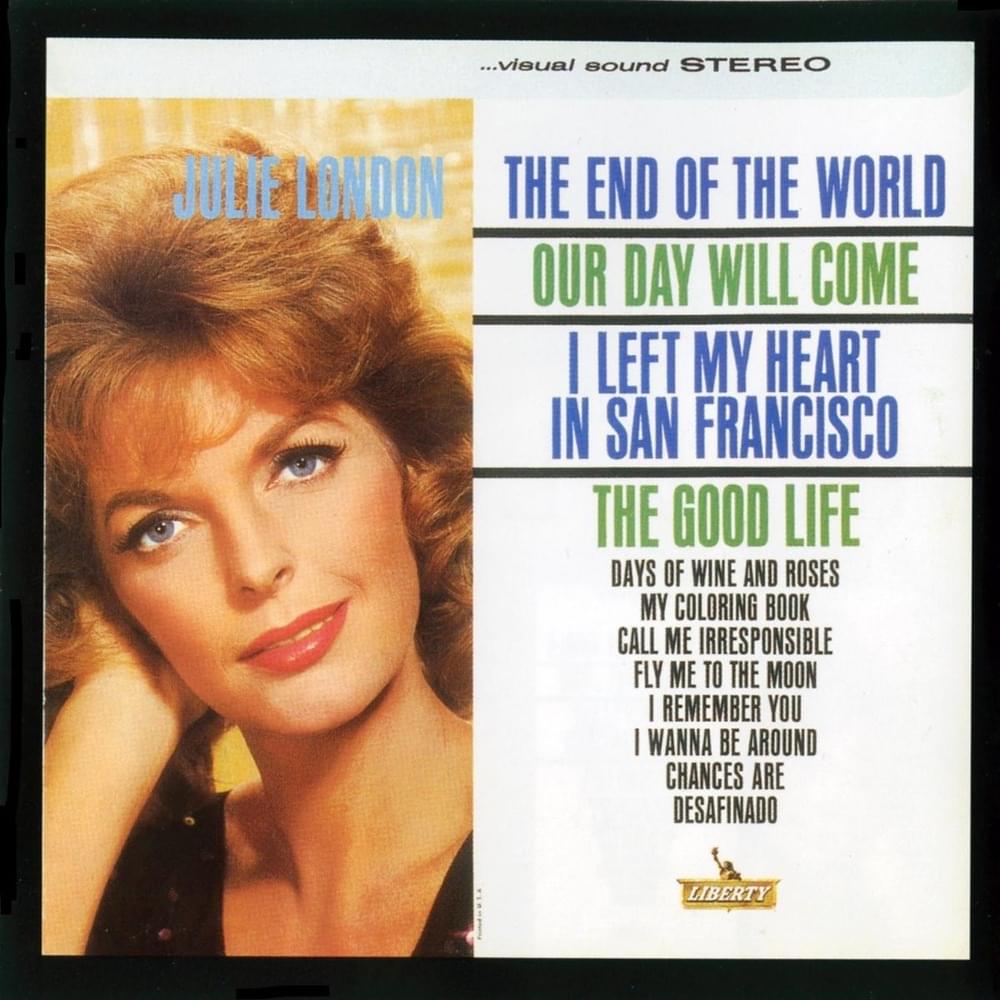
Julie London's "The Days of Wine and Roses" isn't just a pretty tune; it's a melancholic study in fleeting pleasure and the inevitable hangover of time. The title itself, evocative of carefree indulgence, immediately sets the stage for a bittersweet reflection. London's smoky voice, a masterclass in understated emotion, carries the weight of lost innocence as she croons about those intoxicating "days" slipping away like a mischievous child. The image of laughter dissolving into a meadow, only to be confronted by a door marked "nevermore," is a stark reminder that even the most delightful moments are ultimately finite. It's a gut punch disguised as a lullaby.
The song's genius lies in its delicate balance between nostalgia and regret. The "lonely night" and "passing breeze filled with memories" paint a vivid picture of solitude tinged with yearning. The "golden smile" that introduced the singer to this ephemeral paradise suggests a specific person, a catalyst for both joy and subsequent heartache. This isn't simply about the loss of good times; it's about the loss of connection, the fading of a bond that once defined a period of blissful intoxication. The repetition of these lines emphasizes the cyclical nature of memory, the way certain moments can haunt us long after they've passed.
Ultimately, "The Days of Wine and Roses" functions as a cautionary tale wrapped in velvet. It acknowledges the allure of hedonism, the intoxicating power of shared joy, but it also underscores the price of such indulgence. The "nevermore" door isn't just a symbol of endings; it's a confrontation with the consequences of chasing fleeting pleasures. London's rendition, with its subtle shifts in tempo and carefully controlled vibrato, elevates the song beyond a simple love ballad, transforming it into a timeless meditation on the human condition and the ephemeral nature of happiness. It’s a song for those who have tasted the sweetness of life and felt the sting of its passing.
 View Artist