Song Meaning
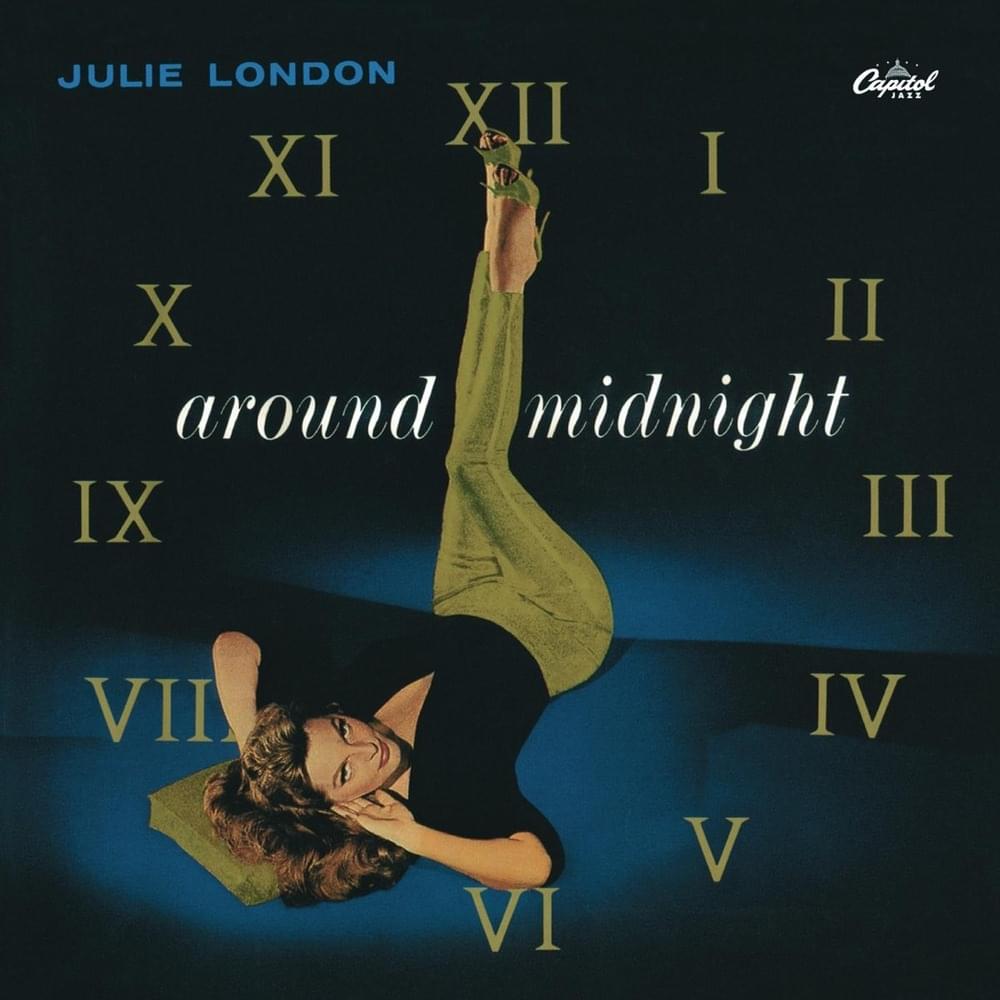
Julie London's rendition of “'Round Midnight” isn't just a jazz standard; it’s a masterclass in sonic melancholy, a precisely calibrated emotional implosion timed for the witching hour. The song meaning hinges on the crushing weight of memory and longing, amplified by the solitude that descends as the day ends. Midnight, in this context, isn't just a time; it's a threshold, a permeable barrier between the distractions of daylight and the raw, unfiltered ache of a love lost or fractured. The lyrics suggest a daily cycle of emotional control that collapses with the setting sun, a facade of normalcy that crumbles under the weight of 'round midnight's introspective darkness. It's a clever commentary on how time and circumstance amplify our emotional vulnerabilities.
The repetition of “'round midnight” acts as a hypnotic trigger, a constant reminder of the cyclical nature of the singer's pain. It’s not a single, isolated moment of sadness, but a recurring wave that crashes with predictable, devastating force. London’s delivery, breathy and intimate, enhances the feeling of vulnerability, as if we’re eavesdropping on a private moment of emotional reckoning. The lines “Haven't got the heart to stand those memories / When my heart is still with you” reveal the core conflict: an inability to move on, a heart tethered to a past love despite the pain it evokes. This isn't just about heartbreak; it’s about the psychological struggle to reconcile memory with present reality.
Yet, amidst the sorrow, there's a glimmer of hope, a yearning for reconciliation. The final verse shifts from lament to plea, expressing a desire for love to “take wing” and for “angels” to herald a return. This juxtaposition of despair and hope is what elevates “'Round Midnight” beyond a simple torch song. It speaks to the complex, often contradictory nature of human emotion, the simultaneous experience of pain and the enduring desire for connection. The song subtly suggests that even in the darkest hours, the possibility of renewal remains, a fragile ember glowing in the midnight gloom. Ultimately, Julie London's interpretation exposes the raw nerve endings of the human heart, proving that some wounds are most acutely felt when the clock strikes twelve.
 View Artist