Song Meaning
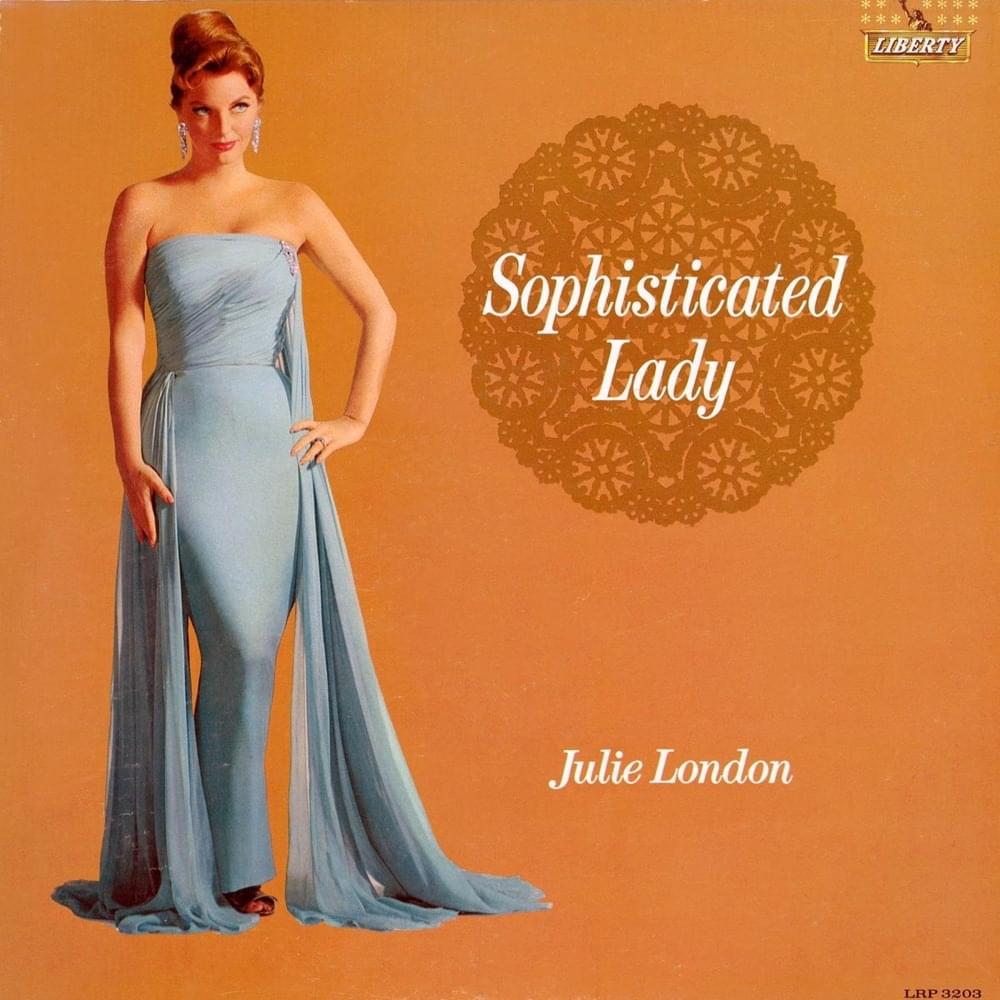
{"song_id": 14921479, "meaning": "Julie London’s \"Remind Me (Moonlight in the Tropic)\" isn't just a song; it's a psychological portrait of desire battling self-preservation. The lyrics reveal a speaker caught in the throes of an overwhelming infatuation, one she knows is destined for heartbreak. The core tension lies in the repeated plea, “Remind me,” a desperate attempt to erect mental barriers against the siren song of attraction. It’s as if she's attempting to pre-program her own cognitive behavioral therapy, creating a script to follow when willpower inevitably falters. The opening lines, \"Remind me not to find you so attractive / Remind me that the world is full of men,\" are a brutal, almost comical, attempt at rationalization.
The song's brilliance lies in its understanding of the addictive nature of love. She acknowledges the magnetic pull – \"When I start to miss you, to touch your hand, to kiss you\" – and preemptively seeks a counter-narrative. The phrase \"count to ten\" is not just a cliché; it's a symbol of forced delay, a brief moment to regain control before succumbing to impulse. The twist, of course, is the recognition that even the act of trying to forget only amplifies the obsession: \"But all my efforts to forget you / Remind me I'm in love again.\" This is the paradox of forbidden love – the very act of resistance fuels the flame.
Ultimately, \"Remind Me\" delves into the masochistic allure of a doomed romance. The speaker is fully aware of the impending regret – \"You're one thing I will regret\" – yet remains powerless to resist. The final lines introduce a delicious ambiguity: \"Don't let me kiss you, please remind me / Unless, my darling, you forget.\" This hints at a secret desire for mutual surrender, a yearning for the other person to abandon reason and succumb to the same intoxicating pull. It's a confession that perhaps, deep down, she doesn't want to be reminded at all. She wants to fall, knowing the landing will be painful, because the experience itself is too compelling to resist. The song meaning, therefore, is not about avoidance, but about the exquisite agony of wanting something you know you shouldn't."}
 View Artist