Song Meaning
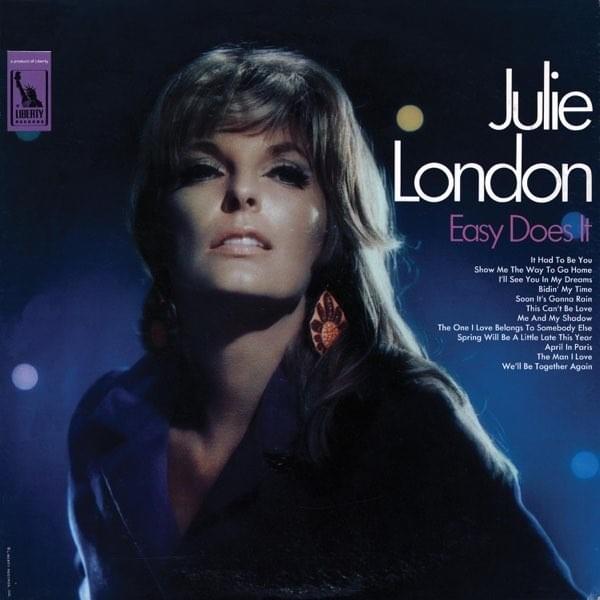
Julie London's rendition of "Me and My Shadow" isn't merely a charming stroll down memory lane; it's a stark portrait of isolation, amplified by the velvety darkness of her voice. The lyrics paint a deceptively simple picture: a solitary figure, accompanied only by their shadow, navigating a world devoid of connection. The 'avenue' becomes a metaphor for life's journey, undertaken alone, with no confidante to share the burdens. The repetition of 'Me and my shadow' drills home the inescapable reality of this solitude. It speaks to the human condition of being ultimately alone, even in a crowded world.
The late-night imagery is particularly poignant. 'When it's twelve o'clock, we climb the stairs' suggests a retreat from the world, a return to a private, perhaps even desolate, space. The detail 'We never knock / Cause nobody's there' is a crushing admission of loneliness. It's not just that no one *is* there; it's that the narrator *knows* no one will be. This expectation of emptiness is a heavy weight, hinting at a deeper sense of abandonment or disillusionment. The shadow, then, isn't just a physical presence, but a constant reminder of the self, the only reliable companion in a world that feels increasingly indifferent.
Ultimately, the song's power lies in its understated delivery. London doesn't wallow in melodrama; she presents this solitude with a quiet resignation that's all the more affecting. The 'feeling blue' isn't a dramatic outburst of sadness but a dull ache, a constant undercurrent of melancholy. The song’s meaning resonates because it taps into a universal fear: the fear of being unseen, unheard, and ultimately, alone with only your shadow for company. It’s a nuanced exploration of loneliness, masked by a seemingly simple melody, making it a timeless reflection on the human experience.
 View Artist