Song Meaning
Julie London's "Love on the Rocks" isn't just a torch song; it's a post-mortem examination of romance gone toxic, served with a lethal dose of world-weariness. The opening lines set the stage with a familiar metaphor: love as fine wine, maturing gracefully with time. But London immediately subverts this idyllic image, acknowledging the bitter truth that even the finest vintage can turn sour. This sets the tone for a brutal honesty that permeates the entire track, a stark contrast to the often sentimental portrayals of love in popular music. It's less a lament and more of a scorched-earth declaration.
The lyrics then delve into the specific ingredients of this failed love affair, presented as a cocktail recipe for heartbreak. "A jigger of lying, garnished with fights," she sings, followed by "bitters for crying, long unhappy nights." The precise, almost clinical, dissection of the relationship's flaws speaks volumes about the singer's emotional exhaustion. This isn’t just sadness; it's a weary resignation, a decision to immunize herself against future pain. The cocktail metaphor is particularly effective, turning the act of remembering into a deliberate, almost perverse, act of self-inflicted pain. The "teaspoon of teardrops" that became "too many long unhappy days" is a potent image of accumulated sorrow.
Ultimately, "Love on the Rocks" is a toast to oblivion, a defiant refusal to be vulnerable again. The repetition of the title phrase, coupled with the lines "time to get high" and "I won't even care," suggests a desperate attempt to numb the pain. The final verses are a kind of self-administered anesthetic, a blurring of the senses designed to erase the memory of love's sting. The song's power lies in its unflinching portrayal of heartbreak, not as a romantic tragedy, but as a battle scar, a reason to raise a glass to the numbing effects of forgetting.
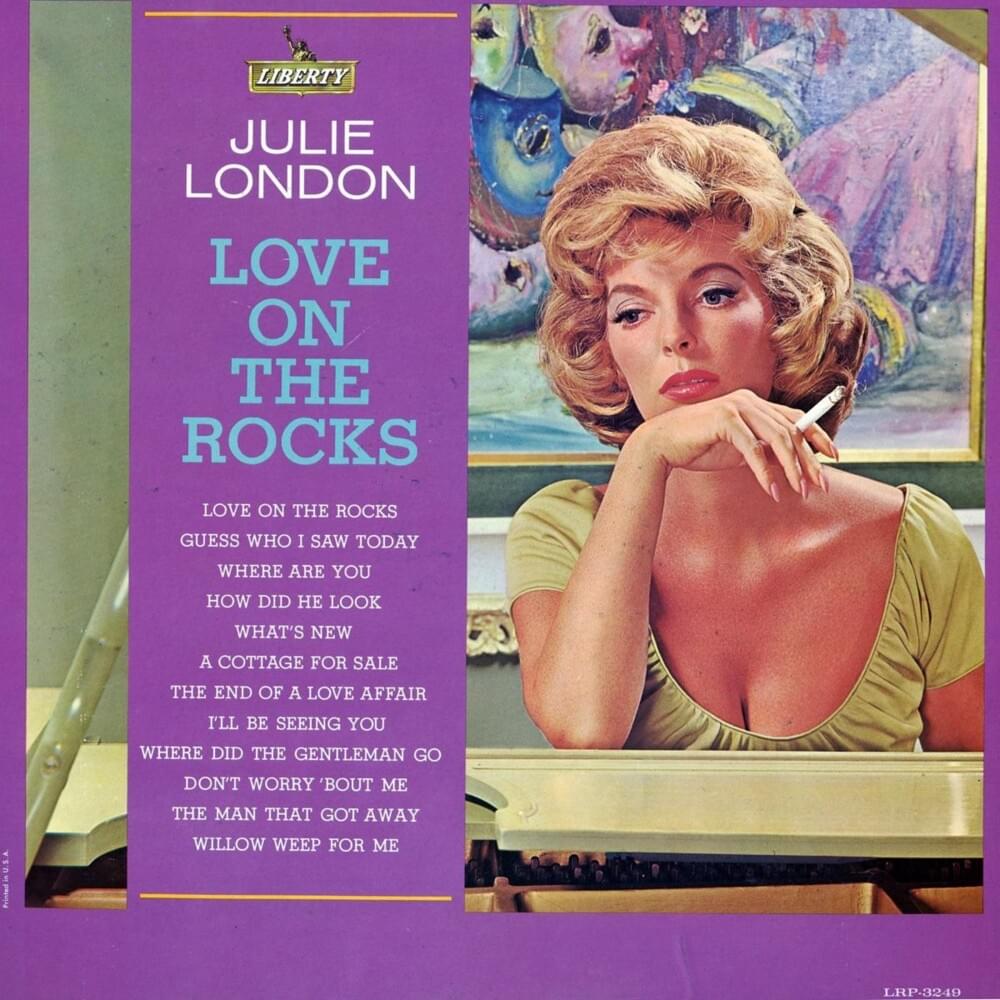
 View Artist