Song Meaning
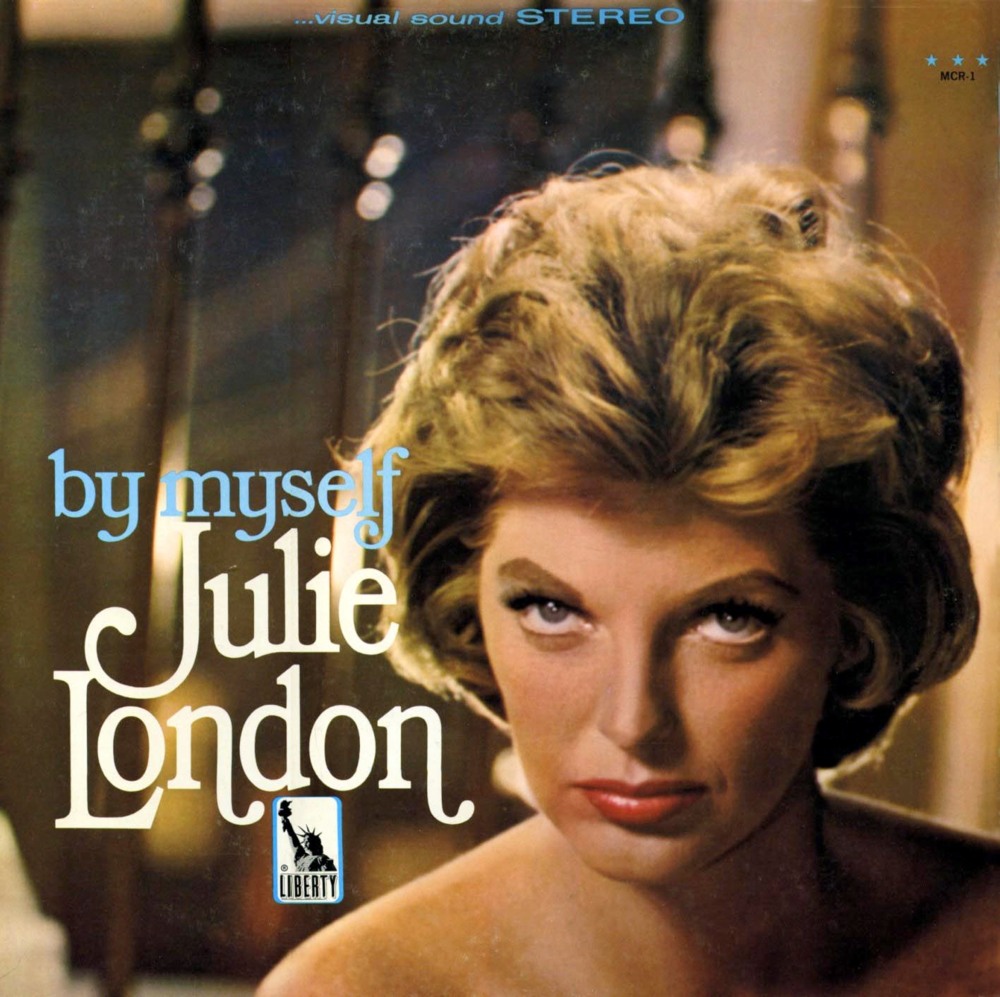
Julie London's rendition of "It Never Entered My Mind" is a masterclass in understated heartbreak, a psychological portrait painted with the quiet resignation of a noir heroine. The song isn't a fiery lament but rather a coolly observed autopsy of a love affair, delivered with London's signature smoky vocal style. The initial verses establish a stark contrast between naive expectation and bitter reality. The narrator recalls a time when warnings of solitude seemed laughable, abstract concepts that could never penetrate her optimistic worldview. Now, those very scenarios—solitary games of solitaire, sunrises greeted alone—have become her everyday existence. The repetition of "It never entered my mind" is not just a lyrical hook; it's a psychological defense mechanism, a way of processing a betrayal that has fundamentally shaken her sense of self.
The subtle brilliance of the song lies in its exploration of dependency and loss of self-sufficiency. The lines "You have what I lack myself / And now I even have to scratch my back myself" are deceptively simple yet profoundly revealing. Beyond the literal, they speak to a deeper emotional void, a sense of incompleteness that the departed lover once filled. The act of scratching one's own back becomes a metaphor for forced independence, a constant reminder of the support and intimacy that has vanished. It's a poignant illustration of how intertwined our identities can become within a relationship, and the struggle to reclaim individuality in the aftermath.
The final verse introduces a layer of ironic prophecy. The lover's warnings of scorn and its consequences—singing "the maiden's prayer," longing for his return—have all come to pass. The phrase "to get into my hair again" is particularly evocative. It moves beyond simple longing; it suggests a desire for the familiar irritation, the intimate chaos that once defined the relationship. In essence, "It Never Entered My Mind" is a study in the psychology of denial and the painful realization of vulnerability. Julie London doesn't just sing the song; she inhabits the emotional space of a woman grappling with the wreckage of lost love, offering a glimpse into the quiet desperation that often hides beneath a veneer of composure.
 View Artist