Song Meaning
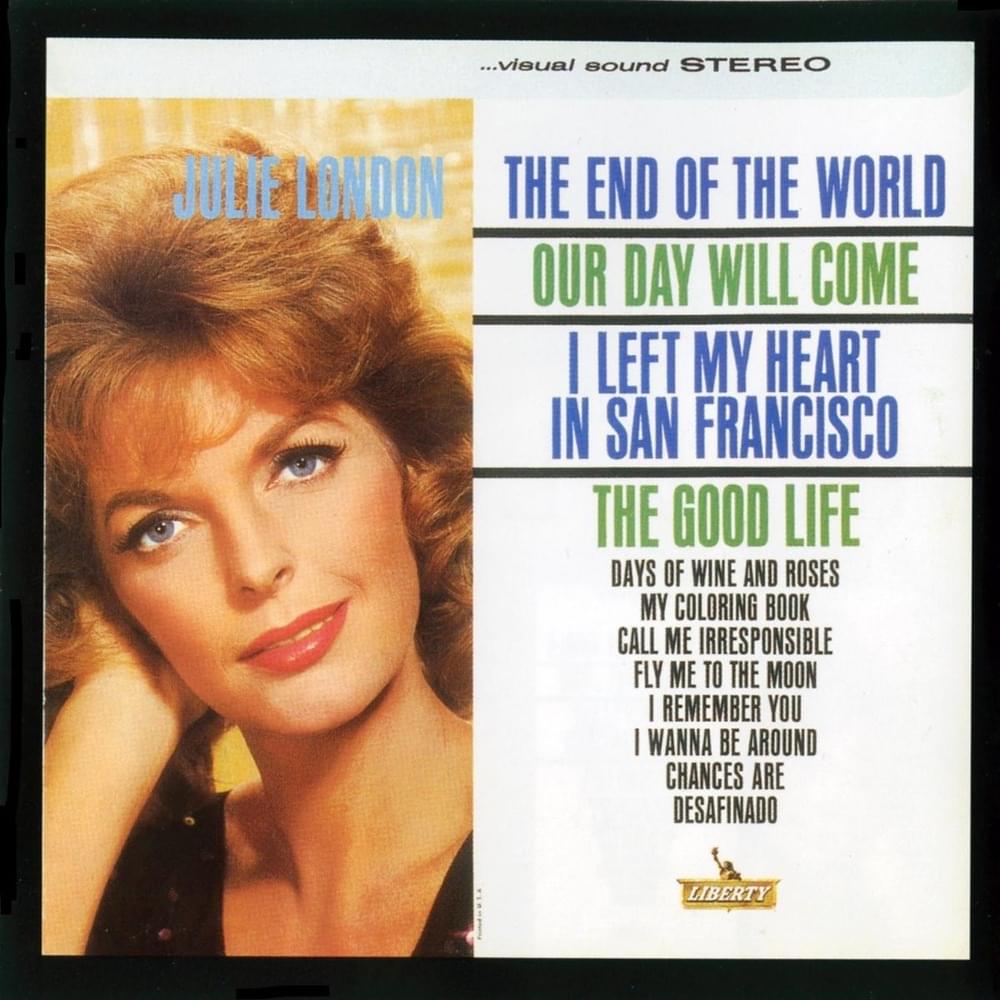
Julie London's "I Remember You" isn't just a love song; it's an exercise in selective, romanticized memory. The lyrics paint a portrait of a past relationship elevated to the level of myth. It's not about the gritty details of daily life, but the highlight reel – the kisses, the whispered declarations of love, the 'thrill of them all.' London zeroes in on those specific, heightened moments, suggesting that these curated memories are what truly define the relationship's legacy. The song becomes less about the actual person and more about the idealized version etched in the singer's mind. This act of remembering isn't passive; it's an active reconstruction, a way to keep the flame alive long after the relationship has ended. But it also hints at a potential danger: Is she remembering the relationship as it truly was, or as she wishes it had been? Is she holding on to a phantom, substituting fantasy for reality? The song taps into a universal human tendency: to filter the past through rose-tinted glasses, clinging to the positive emotions while conveniently forgetting the pain or the mundane.
There's a subtle undercurrent of melancholy in "I Remember You," a wistful acknowledgement that the past is irretrievable. The recurring image of 'stars that fell like rain out of the blue' evokes a sense of fleeting beauty and a recognition of impermanence. Stars falling are beautiful, rare, but ultimately, they are in decline. The 'distant bell' could be interpreted as a fading wedding bell, a lost promise, or simply the symbolic end of a chapter. The song gains further depth with the imagined scene of the singer facing the angels after death, asked to recall life’s greatest thrills. This adds a layer of significance to the act of remembering. It’s not just about personal sentimentality; it's about defining her life's narrative, her own legacy.
Ultimately, "I Remember You" is about the power of memory to shape our perceptions and sustain us through time. It's a testament to the enduring impact of love, even when that love exists primarily in the realm of recollection. London’s interpretation suggests that the selective nature of memory is not necessarily a flaw, but a survival mechanism, a way to curate a personal history filled with beauty and meaning. The song’s meaning lies in its exploration of how we choose to remember, and how those choices, in turn, define us.
 View Artist