Song Meaning
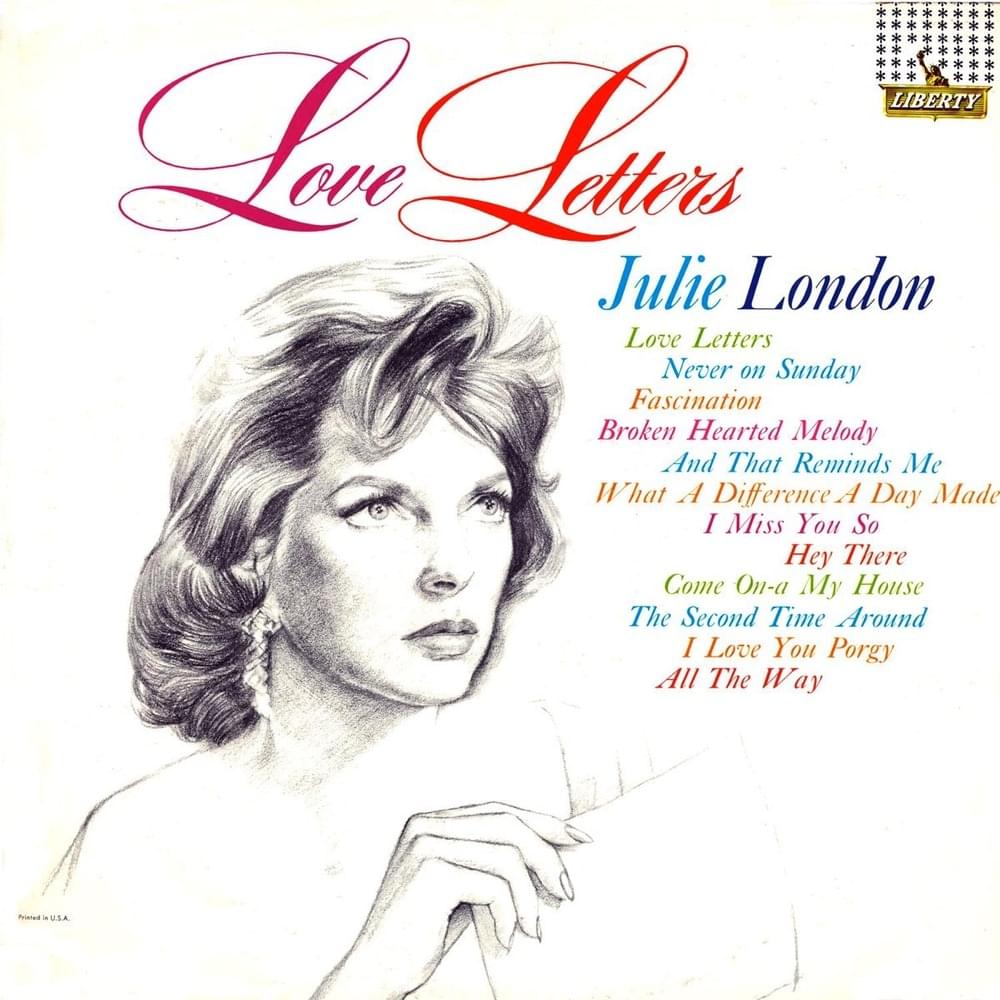
Julie London's "I Miss You So" isn't just a song; it's an emotional autopsy of a love affair, laid bare with a smoky, after-midnight vulnerability. The track hinges on the raw simplicity of its central confession: 'Most of all I miss you so.' It's a sentiment so fundamental, so universally understood, that it bypasses the intellect and strikes directly at the listener's heart. London doesn't need complex metaphors or elaborate narratives; the ache of absence is the story itself. The genius of the song lies in its ability to evoke profound longing with such understated elegance. London's breathy vocal delivery, combined with the song's minimalist arrangement, creates an atmosphere of intimate confession, as if we're eavesdropping on a private moment of grief. It’s the sonic equivalent of a faded photograph, a bittersweet reminder of a love that once was.
The lyrics themselves paint a picture of idyllic memories shattered by present-day sorrow. References to 'happy hours,' 'sweet caresses,' and 'voice so soft and low' serve as poignant counterpoints to the singer's current state of emotional turmoil. The line, 'You once filled my heart with no regret, no fear/Now you find my heart filled to the top with tears,' encapsulates the devastating shift from blissful contentment to profound heartbreak. It's a stark acknowledgement of the transformative power of love, its ability to both elevate and devastate. The repetition of 'I'll always love you and want you too, so much you'll never know' underscores the enduring nature of the singer's feelings, even in the face of separation.
Ultimately, the song meaning of "I Miss You So" resides not just in its lyrical content, but in the emotional space it creates. It's a masterclass in conveying complex emotions through simple, direct language and a captivating performance. Julie London’s ability to embody vulnerability without succumbing to melodrama is what makes this song so unforgettable. The song's exploration of loss, longing, and the enduring power of love resonates deeply, confirming its status as a timeless classic for anyone who has experienced the bittersweet pangs of a love lost.
 View Artist