Song Meaning
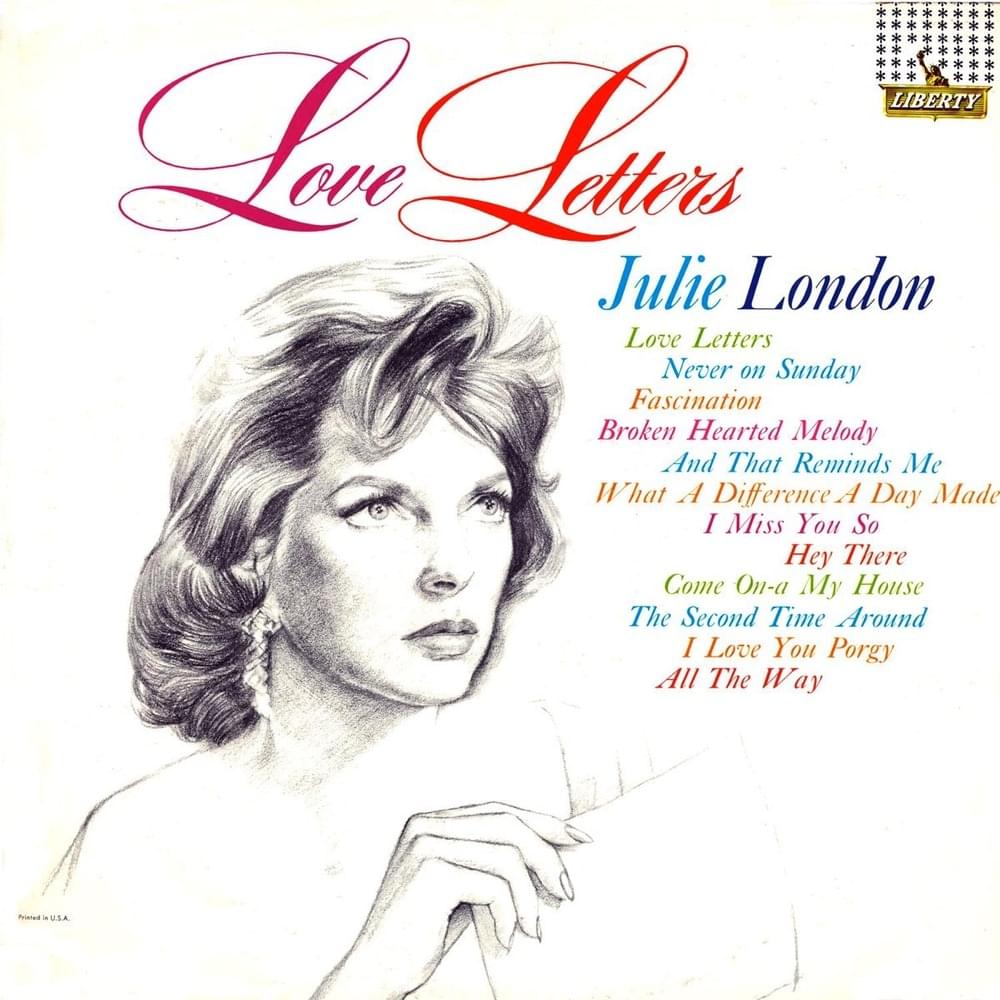
{"song_id": 14915578, "meaning": "Julie London's \"Fascination\" isn't just a song; it's a masterclass in emotional escalation, a study in how fleeting moments can ignite lasting passions. The lyrics, deceptively simple, chart the swift trajectory from initial intrigue to full-blown love affair. It's a journey powered by vulnerability and the raw, primal pull of attraction. London doesn't bother with elaborate narratives; she cuts straight to the heart of the matter, pinpointing that crucial instant when a casual glance transforms into something seismic. That single touch, that impulsive kiss – these are the pressure points where \"Fascination\" transcends mere infatuation and ventures into the uncharted territory of love. The repetition of \"It was fascination, I know\" acts as both a confession and a subtle form of self-justification, as if the speaker is still slightly stunned by the speed and intensity of her own feelings.
The song's brilliance lies in its understanding of human psychology. Fascination, after all, is a potent cocktail of curiosity, desire, and the unknown. It's the spark that ignites the flame, the initial lure that draws us into deeper emotional waters. London understands that love, at its core, is a surrender to this initial fascination. It's a willingness to abandon caution and embrace the intoxicating allure of another person. The lyrics' imagery – \"moonlight above,\" \"seeing you alone\" – evokes a sense of intimacy and vulnerability, suggesting that the speaker is not just captivated by physical appearance but also by the other person's inner essence.
Ultimately, \"Fascination\" is a testament to the power of impulse and the transformative potential of human connection. It's a reminder that love doesn't always unfold gradually; sometimes, it arrives in a sudden, overwhelming rush, sweeping us off our feet and leaving us breathless in its wake. Julie London, with her signature smoky vocals, perfectly captures this sense of breathless surrender, transforming a simple narrative into a timeless exploration of the human heart."}
 View Artist