Song Meaning
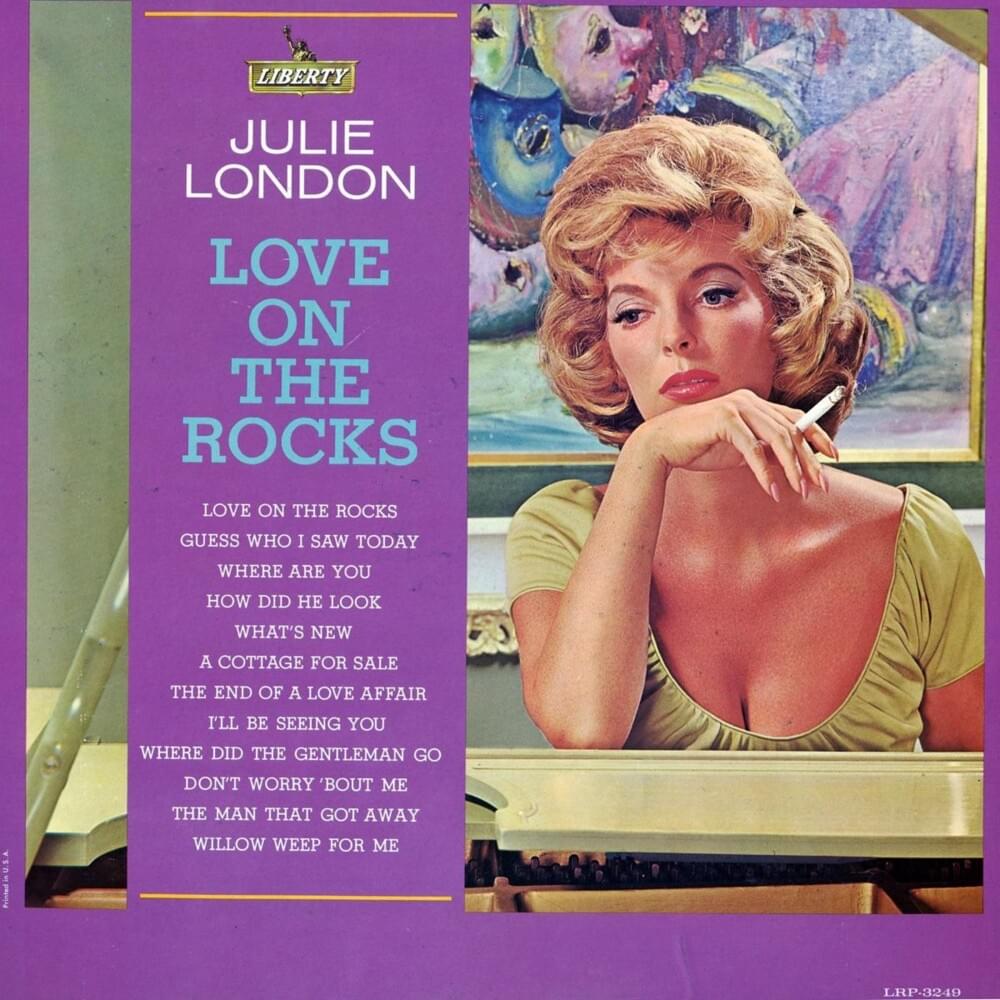
{"song_id": 14915695, "meaning": "Julie London's \"Don't Worry 'bout Me\" isn't just a breakup song; it's a masterclass in bittersweet acceptance, a psychological study of letting go wrapped in smoky jazz. The track drips with a kind of world-weary resignation, a feeling that the singer has already processed the stages of grief and arrived, perhaps reluctantly, at something resembling peace. It's the emotional equivalent of a perfectly mixed cocktail: a little sour, a little sweet, and potent enough to leave a lasting impression. The genius of the song meaning resides in its understated delivery. London doesn't plead or rage. Instead, she offers a gentle push toward freedom, masked as selfless concern.
The lyrics themselves are deceptively simple, built on the core idea of encouraging a former lover to move on without guilt. Phrases like \"Just be happy, my love\" and \"Look out for yourself\" sound altruistic on the surface. Yet, beneath the veneer of generosity lies a subtle acknowledgement of her own pain. The repeated line, \"Don't worry 'bout me,\" acts as both a reassurance and a quiet plea for the other person's happiness, even if that happiness excludes her. The song avoids wallowing in despair by framing the breakup as a mutual decision: \"Let's say that our little show is over.\" This suggests a shared understanding, a narrative where both parties recognize the relationship's expiration date.
But the most psychologically compelling aspect of \"Don't Worry 'bout Me\" is the line, \"Why do we cling to this old faded thing/That used to be?\" This isn't just about the end of a romance; it's a broader commentary on the human tendency to hold onto the past, even when it no longer serves us. London's delivery, tinged with melancholy but ultimately resolute, implies a hard-won wisdom. She understands that clinging to what's gone only prolongs the suffering. The willingness to release someone, even when it hurts, is presented not as a defeat, but as an act of self-preservation. The song meaning, therefore, transcends the personal and touches on a universal truth: sometimes, the greatest act of love is letting go."}
 View Artist