Song Meaning
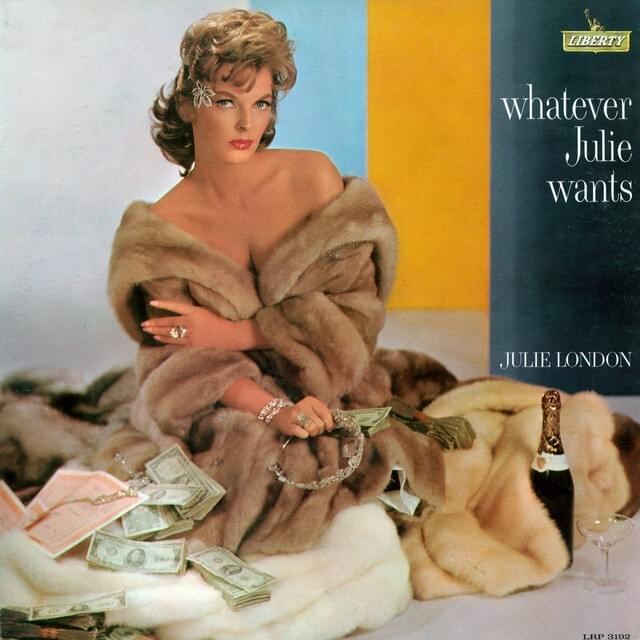
{"song_id": 14915605, "meaning": "Julie London's \"Daddy\" is less a love song and more a brazen transaction, a glittering portrait of mid-century materialism draped in the guise of affection. The song’s genius lies in its bluntness; there's no coyness, no beating around the bush. The singer, presumably addressing a wealthy older man, lays out her desires with the precision of a seasoned negotiator. \"I want a diamond ring and bracelets, everything,\" she purrs, the request followed by the recurring demand: \"Daddy, you oughta gather this for me.\" This isn't about romance; it's about acquisition. The term 'Daddy' itself, dripping with both infantile need and sexual suggestion, becomes a tool, a means to an end.
The lyrics move beyond mere material longing, venturing into the realm of self-aggrandizement. The singer dreams of being a \"great sensation,\" her worth measured not in intrinsic qualities but in the reflections of her benefactor's wealth. She fantasizes about the transformative power of luxury: sables, Paris labels, champagne, caviar. The repeated invocation of \"Daddy\" underscores the imbalance of power, a deliberate infantilization aimed at manipulating the target. The song hints at a deeper psychological dynamic, one where love is conflated with provision, and self-worth is tied to external validation.
Beneath the surface of sparkling requests lies a darker commentary on societal expectations and gender roles. The singer's desires, while seemingly shallow, are also a product of a world that often reduces women to objects of beauty and status. She's playing the game, albeit with a chillingly clear-eyed understanding of its rules. The request for a masseuse adds another layer, suggesting a deep-seated need for physical comfort and perhaps an escape from the emotional void at the heart of this gilded cage. \"Daddy\" isn't just a song; it's a miniature stage play of desire, power, and the unsettling commodification of affection."}
 View Artist