Song Meaning
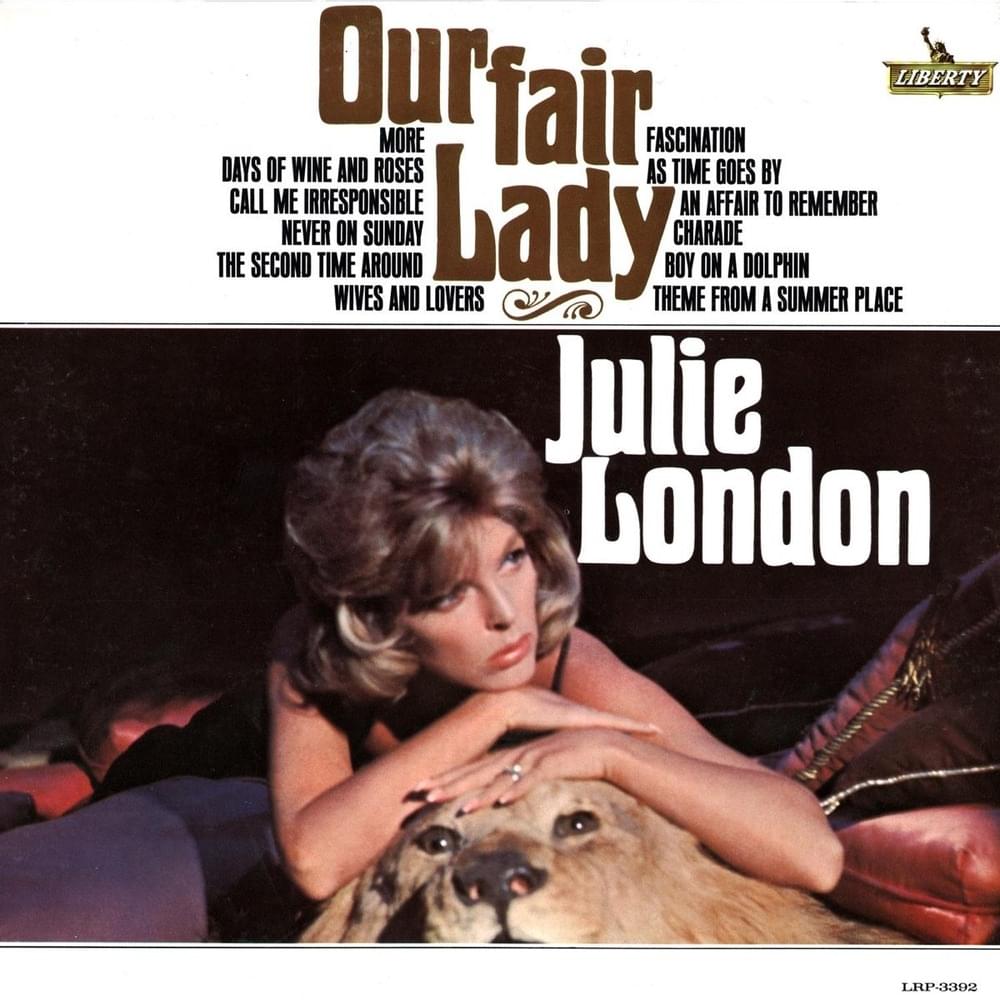
Julie London's "Charade" isn't just a song; it's a miniature, melancholic theater of lost love. The lyrics paint a vivid picture of a relationship as a performance, a "charade" where both partners were merely "posing," playing roles rather than being authentically present. There's a knowing wink to the artificiality of it all, like actors aware of the stage they're on, "acting out names" and "guessing the parts we played." The initial rush of success—"Oh what a hit we made"—underscores the intoxicating allure of this constructed reality. They were "best on the bill, lovers until / Love left the masquerade," hinting that the performance itself masked a deeper instability. The song's brilliance lies in how it uses the theatrical metaphor to explore the fragility of relationships built on pretense.
The shift in tone is palpable as the song progresses. The initial playful charade dissolves into a stark realization of loss. "Fate seemed to pull the strings / I turned and you were gone" evokes a sense of helplessness, as if the relationship's demise was orchestrated by an outside force. This line signifies the abrupt and disorienting nature of heartbreak, the feeling of being abandoned mid-scene. The image of "darkened wings" and the "music box" creates an atmosphere of haunting nostalgia, suggesting that the memory of the relationship continues to play out in the singer's mind long after its end.
The lingering "sad little serenade" encapsulates the enduring pain of lost love. The fact that the music box "played on" even after the departure highlights how memories and emotions can persist, replaying themselves endlessly in the aftermath of a breakup. The final repetition of "Best on the bill / Charade" is particularly poignant. It acknowledges both the initial success of the relationship's performance and the ultimate emptiness of its facade. The song becomes a bittersweet reflection on the human tendency to create illusions in love, and the inevitable heartbreak that follows when those illusions shatter.
 View Artist