Song Meaning
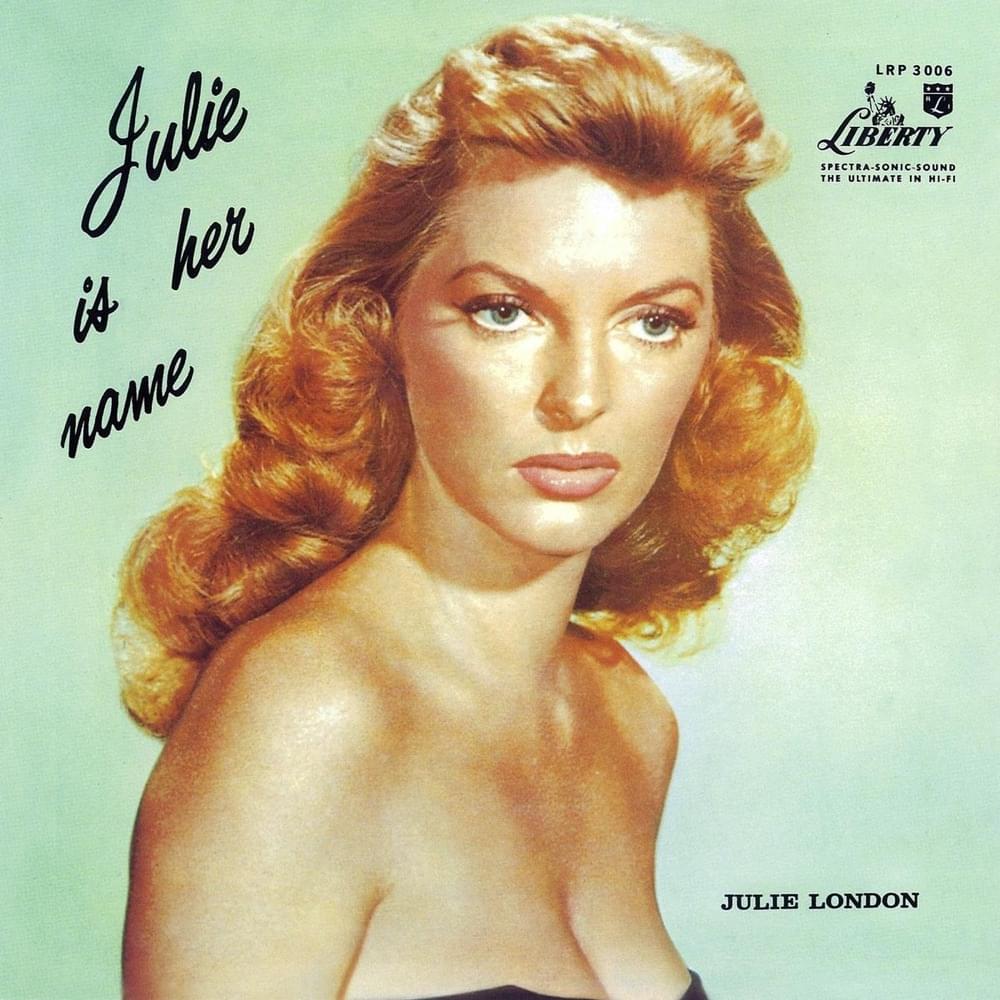
Julie London's rendition of "Can't Help Lovin' That Man" isn't just a song; it's a study in devotion, perhaps even a bittersweet confession of codependency. The core sentiment, repeated like a mantra, resigns itself to an unavoidable truth: "Can't help lovin' that man of mine." The opening lines establish a sense of natural law – an instinctive pull as undeniable as a fish's need to swim or a bird's inherent flight. This isn't a choice, the lyrics imply, but a fundamental aspect of her being. The stark simplicity of the language belies the complex emotions churning beneath the surface. It's a love that transcends reason, bordering on obsession.
The song's brilliance lies in its acknowledgment of the beloved's potential flaws. "Maybe he's lazy, maybe he's slow, maybe I'm crazy, maybe I know." This isn't blind adoration; there's a clear-eyed awareness of imperfections. Yet, these imperfections are seemingly irrelevant, swallowed up by the overwhelming force of love. This hints at a fascinating psychological dynamic. Is it acceptance? Is it a rationalization? The ambiguity adds layers to London's delivery, transforming the song into something more than a simple love ballad. The bridge offers a glimpse into the emotional landscape shaped by his presence and absence. His departure casts a "rainy day" gloom, while his return is equated to the sun's radiant reappearance.
Ultimately, Julie London's interpretation of "Can't Help Lovin' That Man" explores the intoxicating and, at times, unsettling nature of love. It's a love that defines her sense of home and self. The lines, "Home without him ain't no home to me," are not just romantic, but speak to a possible void that only he can fill. The song's repetitive structure reinforces the cyclical nature of this love, a constant return to the same unwavering devotion. Through London's sultry delivery, the song becomes a testament to a love that defies logic and perhaps even self-preservation, leaving the listener to ponder the complex interplay of love, need, and identity.
 View Artist