Song Meaning
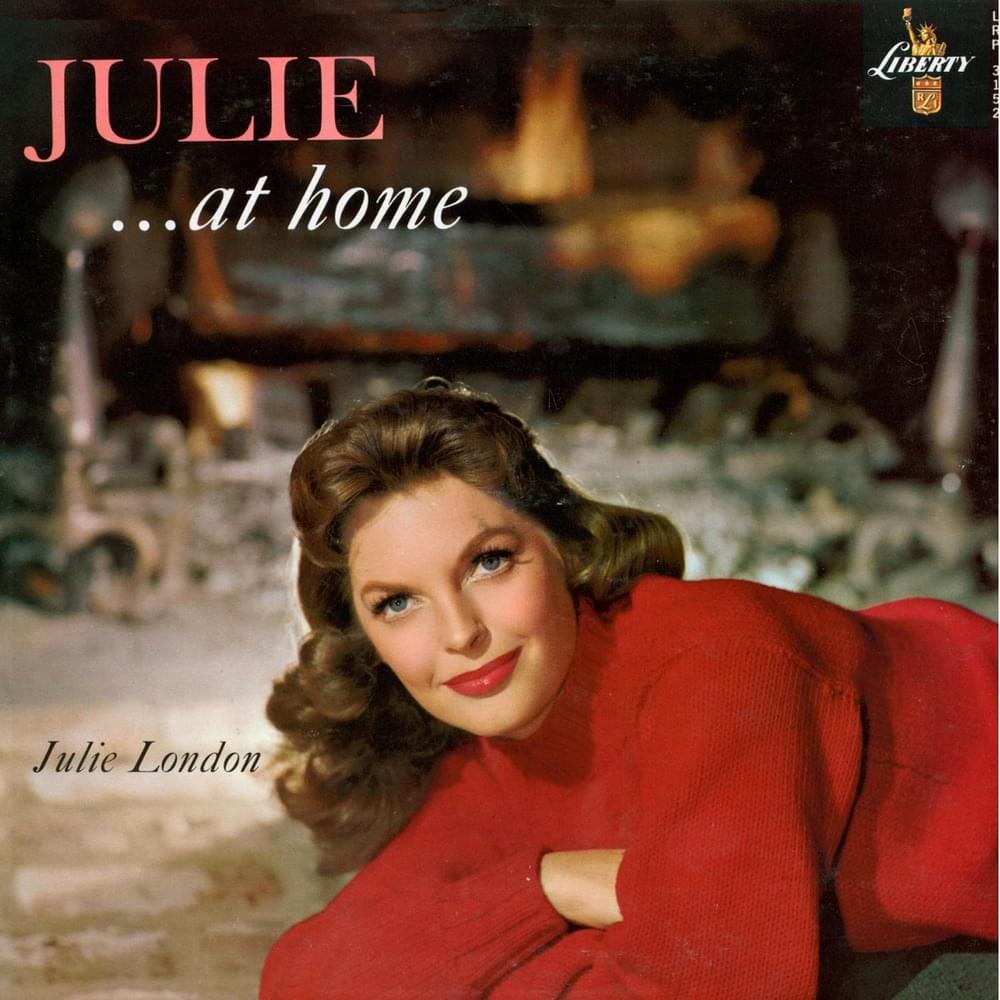
Julie London's rendition of "By Myself" isn't just a torch song; it's a study in self-imposed isolation, a carefully constructed fortress of solitude. The lyrics, stark and repetitive, paint a portrait of someone actively choosing to withdraw from the vibrancy of human connection. It's not necessarily a lament, but rather a declaration of independence born from disillusionment. The phrase "This is how the comedy ends" suggests a past filled with shared experiences that ultimately led to disappointment, pushing the narrator to rewrite the script of her life as a solo act. The song meaning hinges on this deliberate severing of ties. She's not simply alone; she's *by* herself, an intentional act of self-possession.
The repeated lines, "I'll face the unknown, I'll build a world of my own," underscore the ambition inherent in this isolation. It's not passive resignation, but an active project of self-creation. There's a hint of defiance in the face of "grey clouds," a determination to "fly high above" and find a "place in the sun," even if that place is a solitary one. This ambition suggests past hurts, a desire for control over one's own destiny after feeling burned by external forces and romantic partners. The choice of being "by myself alone" is a shield against further vulnerability.
Ultimately, "By Myself," in Julie London's smoky delivery, transcends simple sadness. It becomes an anthem of self-reliance, albeit one tinged with a certain melancholic understanding of the price of such independence. The final repetition of "No one knows better than I myself, I'm by myself alone" isn't just a statement of fact; it's a mantra, a self-affirmation whispered in the quiet hours, a recognition that true understanding, and perhaps true peace, can only be found within the confines of one's own being. The song analysis reveals a complex interplay between vulnerability and strength, a testament to the human capacity for both connection and self-sufficiency.
 View Artist