Song Meaning
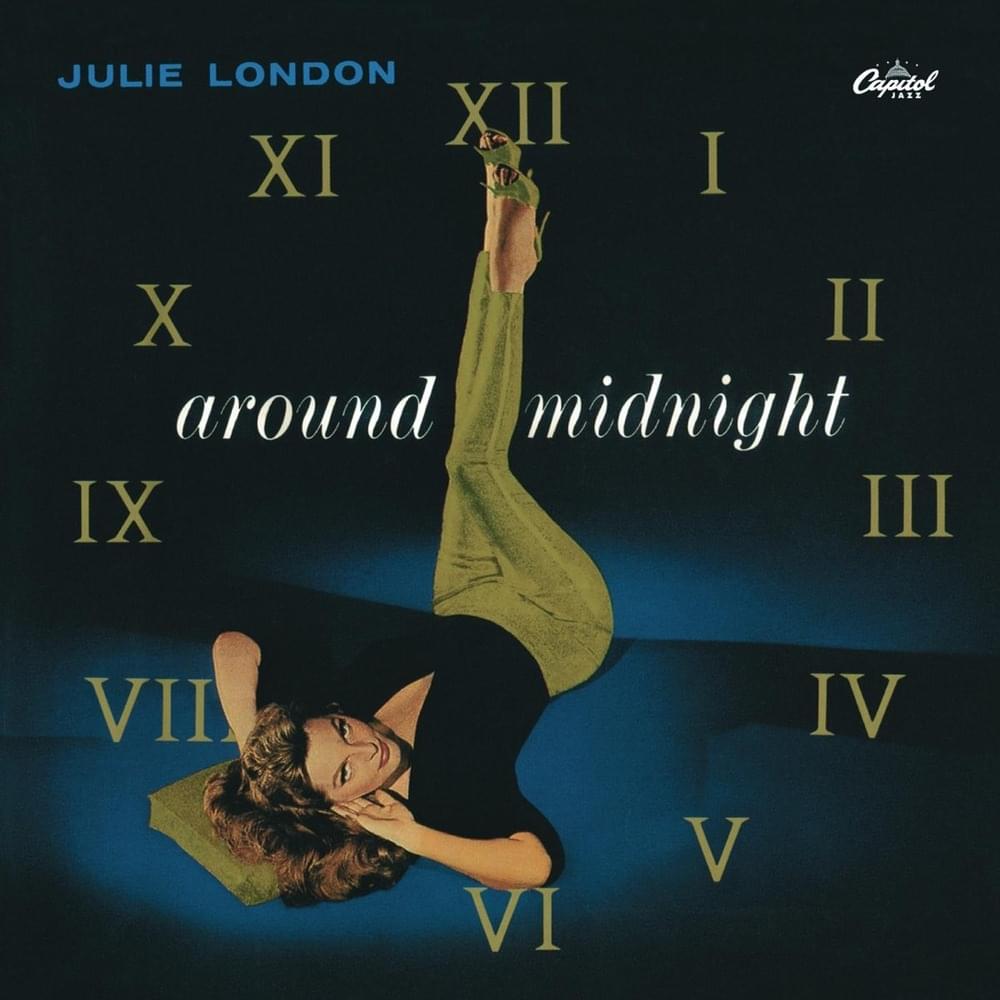
Julie London's rendition of "But Not for Me" drips with the melancholic resignation of a woman coming to terms with a love that simply wasn't meant to be. The song's deceptive simplicity, framed by London's signature smoky vocal delivery, belies a deeper exploration of romantic disappointment and the bittersweet acceptance that follows. The opening lines immediately establish a sense of exclusion, a feeling of being on the outside looking in as "they're writing songs of love, but not for me." This isn't just about lacking romance; it's about feeling fundamentally disconnected from the universal experience of finding love. The "lucky star's above, but not for me" lyric reinforces this sense of predestined solitude. She isn't wallowing, but rather stating a perceived truth.
The clever juxtaposition of optimism and despair continues with the admission of encountering "more clouds of gray / Than any Russian play could guarantee." This wry observation hints at a sophisticated understanding of heartbreak, acknowledging the almost theatrical levels of sadness one can experience. Yet, there's a self-awareness present, a refusal to be completely consumed by the drama. The repeated line, "I was a fool to fall and get that way," isn't necessarily self-berating. It's more of a rueful acknowledgement of vulnerability, a recognition of the inherent risk in opening oneself up to love. The interjections of "Heigh ho, alas, and also lackaday" add a touch of theatrical lament, almost mocking the depth of her sadness.
Ultimately, the core of "But Not for Me" lies in the acceptance of the situation. While the memory of "his kiss" lingers, impossible to dismiss, the singer arrives at the pragmatic conclusion: "I guess he's not for me." This isn't a fiery declaration of independence or a bitter rejection. It’s a quiet, almost resigned statement of fact. Julie London masterfully conveys this sense of acceptance, transforming a potentially maudlin tale of heartbreak into a sophisticated and emotionally resonant exploration of love's capricious nature. The song meaning resonates because it acknowledges the reality that sometimes, despite our desires, love simply isn't enough.
 View Artist