Song Meaning
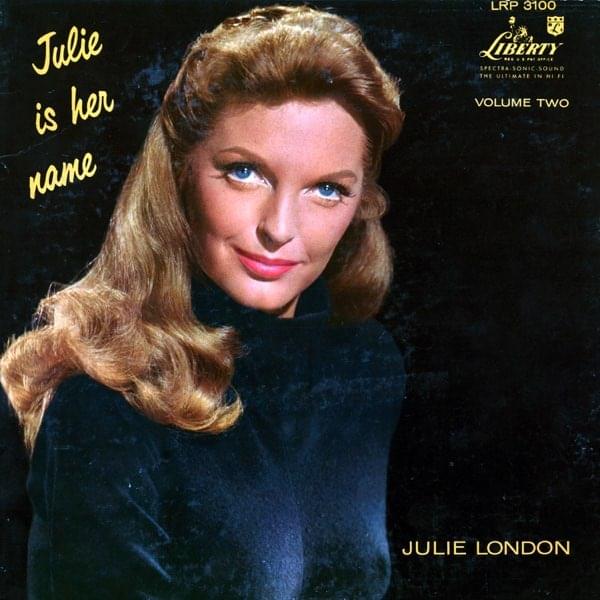
Julie London's rendition of "Blue Moon" isn't just a wistful ballad; it's a masterclass in manifesting desire. The song meaning hinges on the moon as a silent witness, a celestial confidante privy to the narrator's profound loneliness. We're not talking about casual pining here. This is a bone-deep solitude, underscored by the repetition of being "without a dream in my heart, without a love of my own." It establishes a stark emotional landscape, a vacuum desperate to be filled. The 'Blue Moon' isn't just observed, it's actively petitioned.
What elevates this beyond simple romantic yearning is the almost transactional nature of the appeal. The narrator isn't passively hoping; she's "saying a prayer," actively engaging with the cosmos to alter her fate. The pivotal moment arrives with the line "And then there suddenly appeared before me / The only one my arms will ever hold." This isn't a gradual realization; it's an instantaneous fulfillment, a direct response to the whispered prayer. The shift from a blue moon to a gold one symbolizes this alchemical transformation – loneliness transmuted into love, despair into adoration. It's a powerful image, suggesting a profound shift in fortune and emotional state.
The final verses, repeating the negation of the opening lines ("now I'm no longer alone"), hammer home the completeness of this transformation. It's not just about finding love; it's about eradicating the very foundation of loneliness that defined the narrator's existence. Julie London's sultry delivery only amplifies the feeling that we are listening to a secret incantation, a spell cast under the light of the 'Blue Moon' that actually worked. The echo of "without a love of my own" at the very end serves as a stark reminder of the before, making the 'after' all the more potent.
 View Artist