Song Meaning
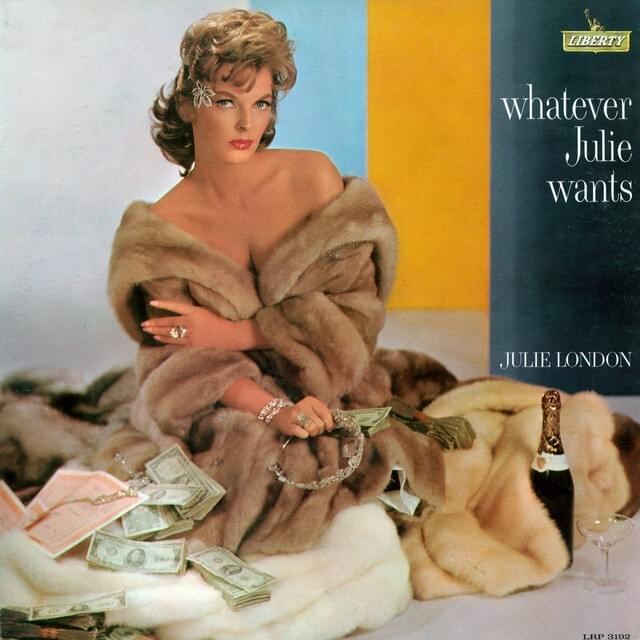
{"song_id": 14915603, "meaning": "Julie London's \"An Occasional Man\" isn't just a breezy, mid-century tune; it's a sly subversion of societal expectations wrapped in a sarong. The song drips with the kind of carefree independence that would have raised eyebrows in the buttoned-up 1940s. The singer possesses her own island paradise, complete with sun, sand, and the freedom to dictate the terms of her relationships. This isn't a woman waiting for a husband or pining for commitment; she's actively curating a life of pleasure and autonomy. The repeated phrase \"an occasional man\" becomes a mantra of self-sufficiency, a declaration that emotional and physical needs can be met on one's own terms.
The lyrics playfully invert traditional gender roles. Instead of being the object of desire, she's the gatekeeper, the one who grants access to her island's delights. She's not seeking a provider or protector; she's offering an experience, a temporary escape from the \"call of duty.\" The lines about swimming \"wearin' just a great big smile\" are particularly telling. They suggest a confidence and comfort in her own skin that transcends the need for external validation. This woman isn't defined by her relationships; she's enhanced by them, but never dependent.
The final verse seals the deal, hinting at the potential consequences for any man who gets too caught up in her world. He might \"miss your trip\" and \"blame - an occasional dame!\" It's a tongue-in-cheek warning that underscores the power dynamic at play. Julie London isn't just singing about a vacation; she's articulating a revolutionary idea: a woman's right to pleasure, independence, and the occasional man, entirely on her own terms. It's a tropical fantasy with a feminist undercurrent, making \"An Occasional Man\" far more potent than its lighthearted melody might suggest."}
 View Artist