Song Meaning
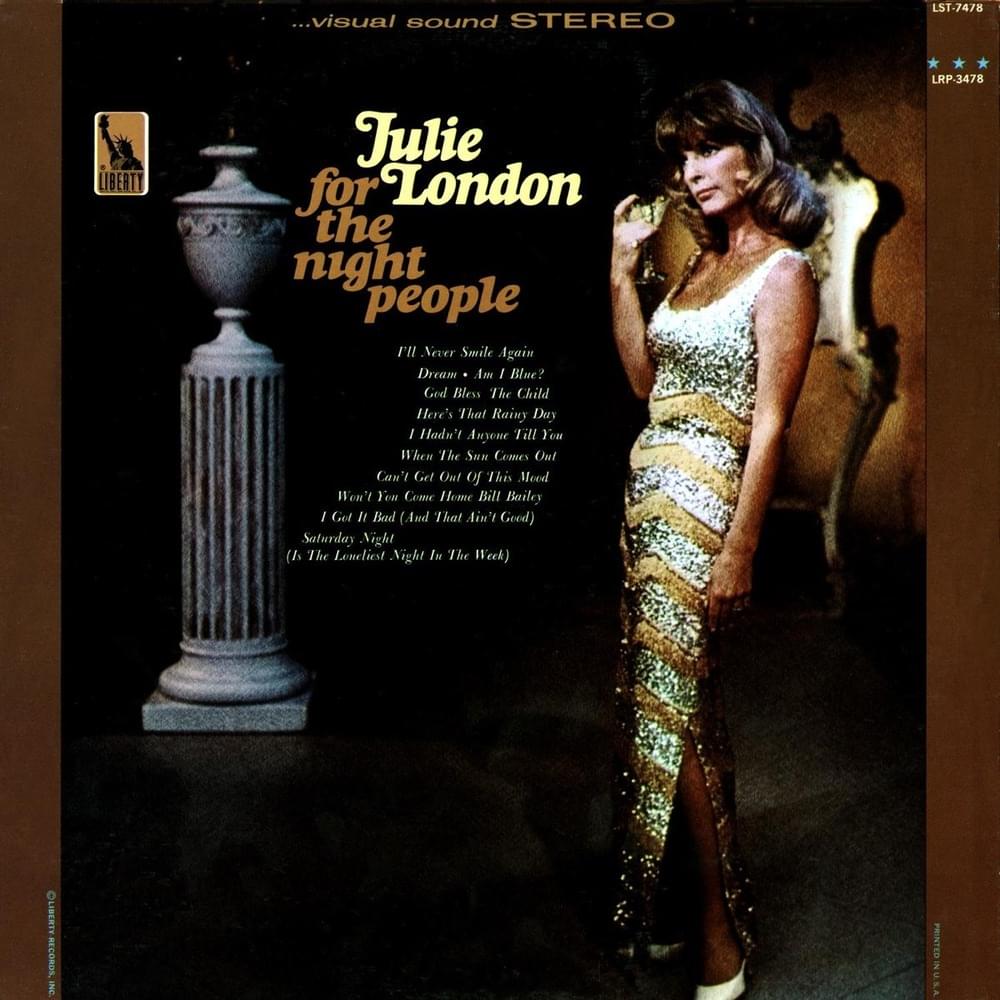
Julie London's rendition of "Am I Blue" isn't just a torch song; it's a masterclass in minimalist heartbreak. Stripped down to its emotional core, the song presents a raw, almost childlike vulnerability. The repetition of "Am I blue?" functions less as a question and more as a desperate plea for validation of her suffering. It's the sound of a woman whose identity, once intertwined with her lover's, is now unraveling in his absence. The simplicity of the lyrics belies the complex psychological state they portray – a fragile ego wounded by abandonment. The line "There was a time / When I was his only one / But now I'm / The sad and lonely one" speaks volumes about the human need for attachment and the devastating impact of its loss. London's delivery, with its signature smoky timbre, amplifies the feeling of desolate isolation.
The song's emotional weight hinges on the stark contrast between past happiness and present despair. The almost offhand "Was I gay / 'Til today" underscores how quickly joy can be eclipsed by sorrow. "Gay" here, meaning lighthearted and carefree, highlights the abrupt shift from blissful ignorance to the crushing reality of heartbreak. It's a before-and-after snapshot of a soul irrevocably altered by love's betrayal. The brevity of the lyrics, coupled with London's understated performance, creates a space for the listener to project their own experiences of loss and disappointment onto the song.
Ultimately, "Am I Blue" transcends its simple structure to become a profound meditation on the nature of sadness and the search for empathy in the face of heartbreak. It’s a quiet anthem for anyone who has ever questioned their own worth in the wake of a broken relationship. Julie London doesn't just sing about being blue; she embodies it, turning the emotion into an art form that resonates with anyone who's ever felt utterly, irrevocably alone.
 View Artist