Song Meaning
The lyrics paint a vivid, almost melancholic portrait of urban life, specifically Buenos Aires, where grand artistic figures like Piazzolla seem to weep amidst the mundane reality of exhaust fumes and pizzeria smells. The city's Sundays are crowded, punctuated by the cries of newspaper vendors and the rumble of trains, yet the traffic lights offer no sense of fairness. This sets a tone of everyday struggle and disillusionment, where even simple moments are tinged with a certain weariness.
The central tension emerges from the contrast between the city's outward appearance and the internal realities of its inhabitants. We see Huguito, a lonely man, meeting a bleak end, while fathers in parks force smiles, painting on a clown's face to shield their innocent children from the harshness. This creates a poignant image of adults performing happiness, masking their own anxieties for the sake of their kids, suggesting a pervasive, unspoken sadness beneath the surface of daily life.
A striking element is the subversion of the "sun of heroes" into a deceptive, playground-centric illusion. The sun that should inspire greatness instead presides over a scene of swings, slides, and popcorn – a manufactured joy that feels hollow, described as "deception." This imagery powerfully critiques a reality where grand ideals are replaced by superficial comforts, and genuine feeling is obscured.
Ultimately, the lyrics propose that true poetry isn't found in the city's grand pronouncements or artistic legacies, but in the raw, lived experience of its people. Buenos Aires itself, the narrator suggests, doesn't possess poetry; rather, it's the inhabitants who, through their suffering and their joys, imbue life with its genuine artistic essence. This perspective grounds the song's emotional weight in the authentic, often difficult, human condition.
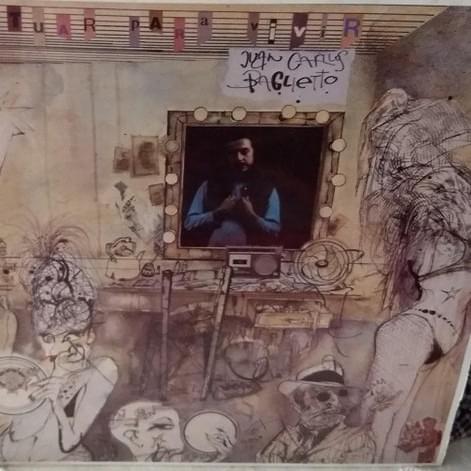
 View Artist