Song Meaning
The lyrics paint a stark picture of societal disillusionment, suggesting that fundamental aspects of existence—the soul, the body, language—lead to ruin from the outset. There's a sense of performative action, of 'agitating crowds' and joining parties, which feels hollow and transactional, like buying newspapers. This initial disillusionment sets a cynical tone, hinting that even learning from the past is futile if the predatory nature of 'the wolf always eats the lamb' persists.
The core tension lies between a desire for genuine connection and the reality of societal structures that foster division and superficiality. The narrator observes a disconnect, where people inhabit a 'house so, so big' but remain isolated in their own 'kiosks,' unable to truly see or connect with each other. This isolation is amplified by the idea that individual actions are merely reflections ('man is the mirror of his acts'), yet these reflections don't seem to lead to meaningful change or empathy.
The most striking imagery is the contrast between the present state and a hopeful future. The present is depicted as a 'tree in winter, devoid of green leaves,' a stark image of dormancy and lack. Yet, this is juxtaposed with the idea of weaving 'a smile for tomorrow, to help to work.' This suggests a forced optimism, a manufactured cheerfulness needed to endure the harsh realities, rather than an organic joy. The repetition of 'pa' trabajar' underscores this utilitarian view of happiness – it's a tool for survival, not an end in itself.
Ultimately, the lyrics resonate because they capture a feeling of being trapped in a system that prioritizes superficial engagement over authentic connection. The writing effectively uses sharp, almost bleak, metaphors to illustrate this societal paralysis. The hope offered is not one of liberation, but of resilience, a quiet determination to keep working and smiling even when the external world offers little reason for genuine celebration.
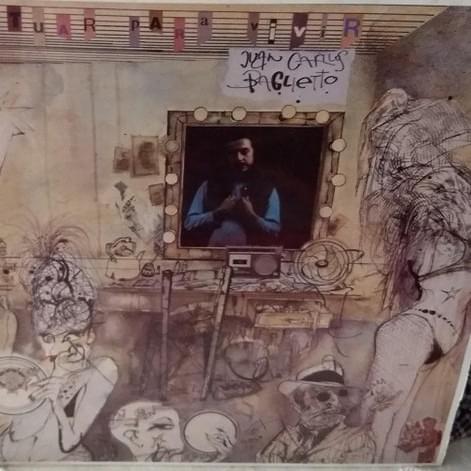
 View Artist