Song Meaning
This tune kicks off with a classic student love trope, painting it as fleeting, lasting barely an hour. But right away, the narrator flips the script, boasting about a love that's surprisingly enduring, defying the common wisdom. It’s a playful jab at expectations, setting up a contrast between the ephemeral and the lasting.
The core tension here is the narrator's pride in their steadfast affection against the backdrop of fleeting student romances. The repetition of "Não dura mais que uma hora" hammers home the conventional idea, making the narrator's "Inda se não foi embora" feel like a triumphant, almost defiant, declaration. This isn't just about love; it's about proving a point.
The lyrics then pivot to evoke the quintessential image of Coimbra, listing "Guitarras, tricanas lindas" and "Capas negras a adejar." This paints a vivid picture of student life and Portuguese culture, but it also serves as a stage for the narrator's enduring love. The imagery connects the personal sentiment to a broader cultural identity, suggesting this lasting love is part of a richer, more traditional tapestry.
Ultimately, the song works by grounding a personal boast in familiar cultural touchstones. The narrator uses the romanticized image of Coimbra and Portugal to amplify their own unique experience of enduring love. It’s this blend of the personal and the picturesque that gives the lyrics their charm and makes the narrator's claim feel so satisfyingly earned.
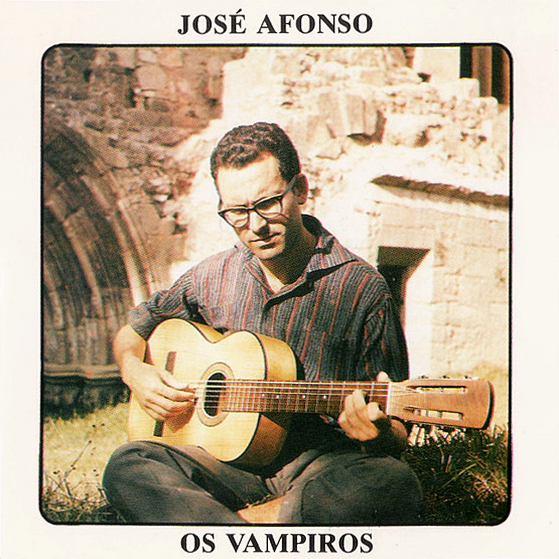
 View Artist