Song Meaning
The lyrics paint a picture of a life lived on the fringes, marked by external judgment and internal struggle. The opening lines, "Chamaram-me um dia / Cigano e maltês," immediately establish a sense of being labeled and misunderstood. This external perception seems to push the narrator into a self-imposed exile, "Abri uma cova / Na terra mais funda / Fiz dela / A minha sepultura," suggesting a profound sense of isolation or even a desire for oblivion.
The central tension revolves around a recurring, almost fated encounter with a dark force, personified as "o diabo." This devilish presence appears in various guises: tempting the narrator with a train ticket, lurking in a dark lagoon, and even appearing as a tempting offer of wealth. Despite these encounters, the narrator consistently claims, "Mas tive / O diabo na mão," a phrase that carries a complex weight. It could imply a constant struggle, a precarious control, or even an acceptance of this dark element as an intrinsic part of their existence.
The narrative unfolds through a series of vivid, almost surreal vignettes that highlight a life of extremes and unpredictable fortune. From slaying a mythical creature in a cave to sleeping on a "leito / De penas," the imagery is stark and fantastical. The contrast between "Pusera-me a ferros" and then being invited back, "Amigo, vem cá / Outra vez," underscores a cyclical pattern of downfall and resurgence, always with that persistent, "diabo na mão."
What makes these lyrics so compelling is their refusal to offer easy answers or a clear moral. The narrator navigates a world of harsh labels and dangerous temptations, yet maintains a defiant stance, even if that defiance is simply acknowledging the ever-present "diabo." The fragmented, almost dreamlike sequence of events creates a powerful sense of a life lived in constant flux, where fortune and peril are inextricably linked, and the ultimate truth is the ongoing, personal battle with a dark companion.
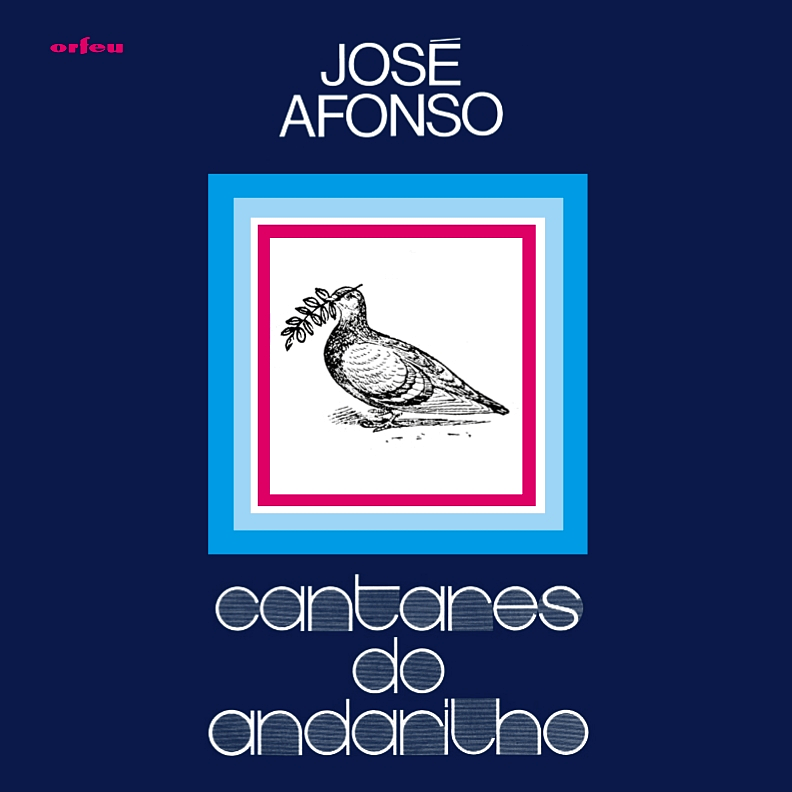
 View Artist