Song Meaning
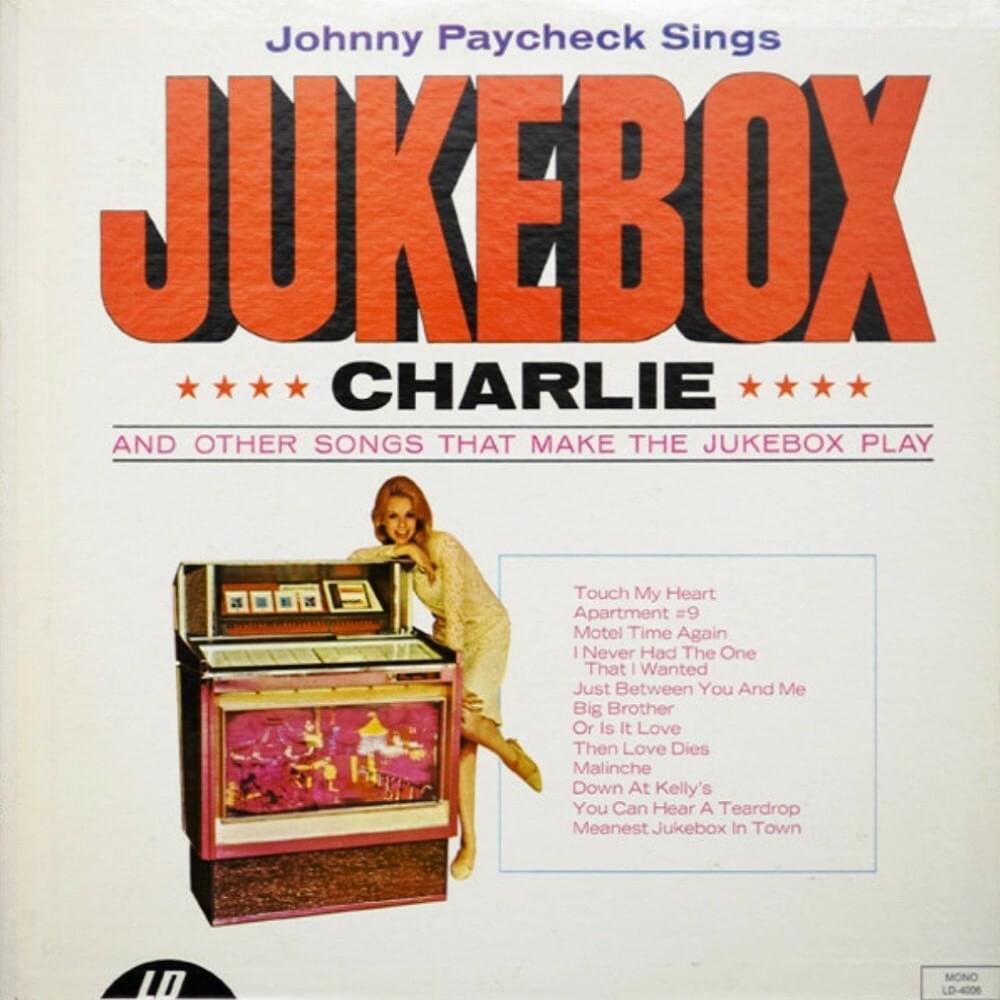
Johnny Paycheck's "Motel Time Again" isn't just a lament; it's a portrait of loneliness painted in the transient hues of cheap rooms and fleeting moments. The song’s protagonist, a man adrift, finds himself ejected from a bar, the closing bell signaling not just the end of the night, but the contraction of his already limited world. The casual listener might hear a drinking song, but the genius of Paycheck lies in exposing the raw underbelly of such bravado. It's a brutal honesty, a confession whispered into the stale air of a nameless motel room. The repeated line, "I don't even know what town I'm in," speaks volumes about the character's disconnection, a symptom of a deeper, perhaps self-inflicted, exile.
The phrase "going home it's motel time again" is the crux of the song's meaning. Home, in this context, is not a place of warmth, family, or belonging, but rather a sterile, temporary space defined by its anonymity. The "old number on the door" becomes a sad symbol of routine, a grim reminder of the solitary existence he has carved out for himself. The melody reinforces the feeling of resignation, mirroring the cyclical nature of the man's life—a constant loop of bars, highways, and impersonal lodgings.
"Motel Time Again" avoids romanticizing the road-worn troubadour. Instead, it presents a stark and unvarnished depiction of a man wrestling with isolation, using alcohol as both a crutch and a catalyst for his continued detachment. Paycheck's delivery, world-weary and devoid of self-pity, invites empathy without ever begging for it. The song's power resides in its ability to tap into the universal fear of being lost, not just geographically, but existentially, with the only constant being the cold comfort of another night in a forgotten motel room.
 View Artist