Song Meaning
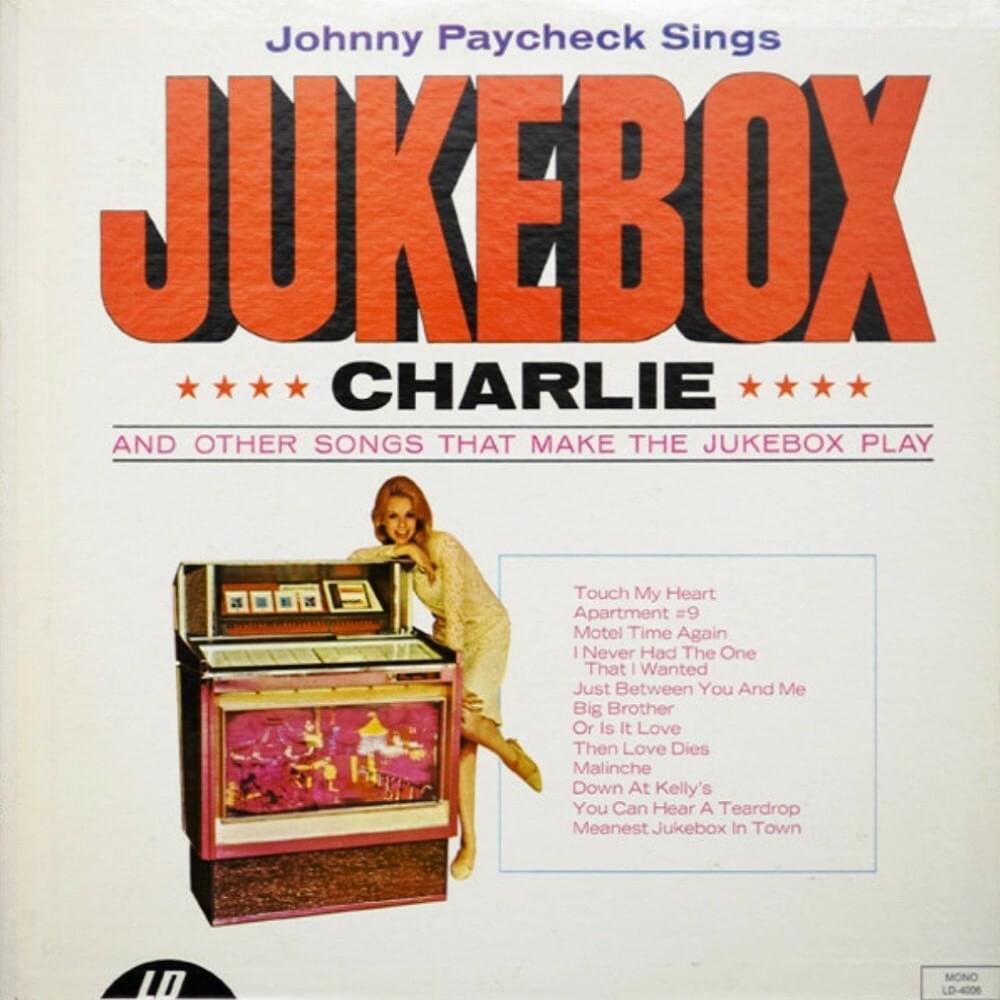
Johnny Paycheck's "Meanest Jukebox In Town" isn't just a country lament; it's a masterclass in sonic masochism. The jukebox, in this context, transcends mere entertainment. It becomes a cruel architect of memory, meticulously dismantling the narrator's fragile emotional state one dime and one heartbreak anthem at a time. The 'blue lights' and 'blues songs' aren't accidental pairings; they're deliberate psychological warfare, weaponizing nostalgia against a man already teetering on the edge. The jukebox doesn't just play music; it curates a personalized hell of lost love. It's the soundtrack to his self-inflicted torment.
The brilliance of the song lies in its understanding of addiction—not necessarily to alcohol (though that's implied), but to the pain itself. The narrator *knows* this jukebox is his enemy. He acknowledges that each song chips away at his soul. Yet, he remains tethered to it, a prisoner of his own making. The question, 'Why don't I leave here?' is quickly countered with the bleak realization that escape is an illusion. His memories, the ghosts of a happier past, are inextricably linked to this place and its tormenting soundtrack. The bar, with its 'dim lit' atmosphere, becomes a confessional, a purgatory where he relives his loss in perpetual loop.
Ultimately, "Meanest Jukebox In Town" is a stark exploration of grief and the human tendency to cling to what hurts us most. The jukebox isn't just a machine; it's a metaphor for the insidious power of memory and the devastating impact of heartbreak. It highlights the way we sometimes choose to marinate in our sorrow, finding a strange solace in the very things that destroy us. Paycheck's delivery, steeped in world-weary resignation, only amplifies the song's profound sense of despair, making it a timeless anthem for anyone who's ever found themselves trapped in the echo chamber of a broken heart.
 View Artist