Song Meaning
John Lee Hooker's "You're Mellow" isn't just a blues song; it's a raw, distilled testament to devotion, bordering on obsession. The track's core simplicity—both lyrically and musically—belies the profound vulnerability on display. Hooker isn't singing about casual affection; he's pleading, almost begging, for his lover not to leave. The repetition of "Please, don't go" underscores a deep-seated fear of abandonment, a primal anxiety that resonates far beyond the song's surface. The phrase "mellow thing" itself becomes an almost hypnotic mantra, a description of a lover so perfectly suited that the thought of their absence is unbearable. It’s a vulnerability rarely heard with such stark honesty.
Hooker elevates this personal plea by contrasting the object of his affection with material possessions. He explicitly rejects "fine clothes," "fancy Cadillacs," and "sport cars," positioning love as the ultimate, and only, necessity. This isn't mere romanticism; it's a rejection of the superficial, a declaration that true happiness lies not in external validation but in the singular connection he shares with his "mellow thing." This sentiment carries a particular weight coming from a bluesman, a genre often associated with hardship and longing. To prioritize emotional connection above material comfort speaks volumes about the depth of his feelings and the transformative power of this relationship.
The circularity of the lyrics – "You got me goin' round in circles" – further emphasizes the singer's dependence. He's trapped, willingly so, within the orbit of this love. It's a paradox: the freedom he finds in this relationship is simultaneously a form of captivity. The song's power lies in this tension, in the unflinching portrayal of a man utterly consumed by love, willing to forsake all else for the sake of its preservation. In the landscape of blues music, where heartbreak and loss are frequent themes, "You're Mellow" carves out a unique space, celebrating the intoxicating, all-encompassing nature of true love while simultaneously revealing the fragility inherent in such intense emotion.
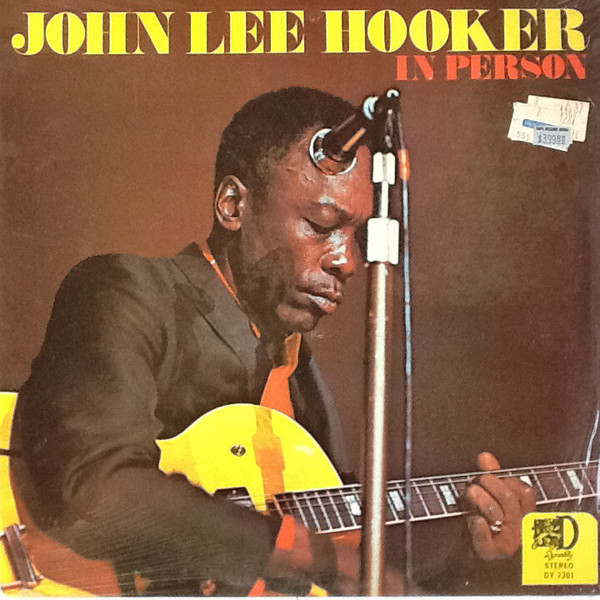
 View Artist