Song Meaning
John Lee Hooker's "New Sally Mae" isn't just a blues lament; it's a masterclass in projecting male frustration onto a female figure. The song meaning, at its core, is a primal scream of wounded ego disguised as a moral critique. Hooker's Sally Mae is accused of late-night wanderings and general mistreatment, but the raw nerve exposed isn't about relationship fidelity. It's about control. The repeated line, "Lord, you know you ain't treatin' me right," drips with a possessive entitlement, as if Sally Mae's very existence is predicated on his approval. This is not a song about love gone wrong; it's about a man feeling his dominance slipping.
The lyrics paint Sally Mae not as a complex individual, but as a symbol of untamed female agency. Calling her "a no good weed" that even cows won't eat transforms her into something unnatural, undesirable, and stubbornly resistant to domestication. The fantasy of driving her out of town if he were "chief of police" lays bare the desire to forcibly control her behavior and reputation. This impulse to police female sexuality and autonomy is a recurring theme in blues music, often reflecting the societal anxieties of the time. Hooker isn't simply singing about a cheating woman; he's grappling with a perceived threat to his masculine authority.
Ultimately, "New Sally Mae" is a cautionary tale, but perhaps not in the way Hooker intended. His plea for Sally Mae to "change in your younger days" reveals a deep-seated fear of female self-determination. The song serves as a snapshot of a patriarchal mindset struggling to reconcile with a woman who refuses to conform. While the blues tradition is rich with expressions of heartbreak and betrayal, Hooker's rendition carries a particularly sharp edge of resentment, making "New Sally Mae" a complex and unsettling exploration of gender dynamics.
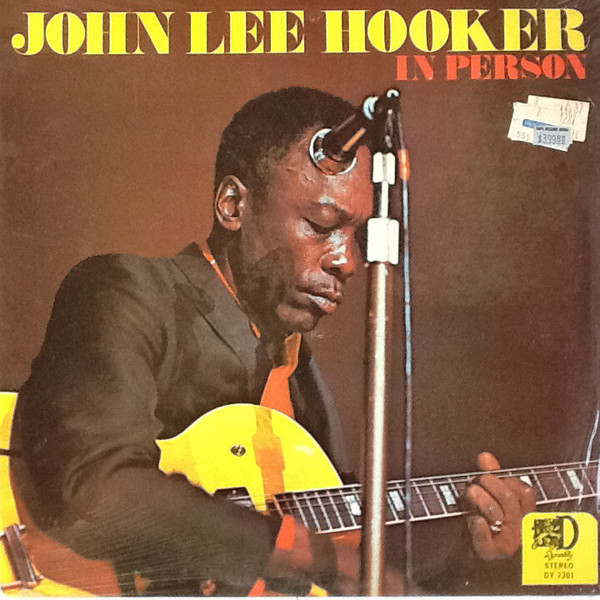
 View Artist