Song Meaning
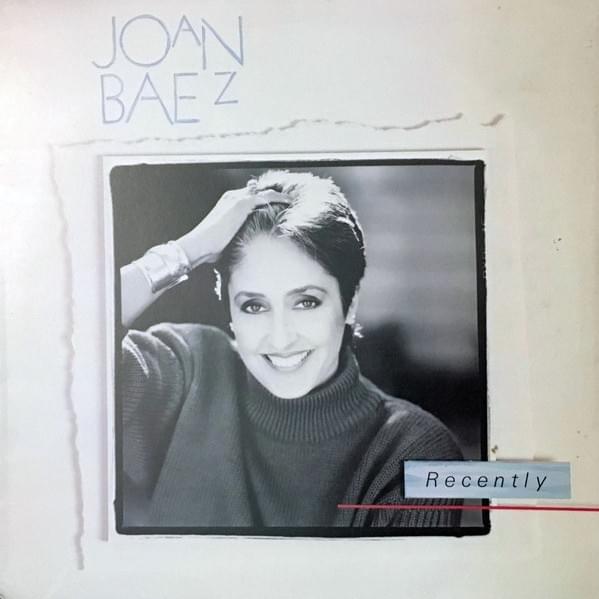
Joan Baez's take on "Do Right Woman, Do Right Man" isn't just a cover; it's a reclamation. Penned originally for Aretha Franklin, the song simmers with a potent, yet simple, demand: reciprocity. Baez, already an icon of folk protest, lends the song a lived-in weariness, stripping away any lingering pretense of female submission. The song meaning here isn't about asking for permission; it's a stark declaration of emotional economics. Love, respect, and fidelity aren't gifts to be bestowed, but investments that yield returns. The lyrics, delivered with Baez's crystalline clarity, cut straight to the heart of the matter. 'Take me for granted/Leaving love unshown/It makes the will power weak/And temptation a throng' – it's a pragmatic assessment of human nature, not a moral judgment.
Baez shrewdly avoids painting women as paragons of virtue. The lyrics readily acknowledge a woman's humanity, flaws and all. 'A woman's only human/This you should understand/She's not just a plaything/She's flesh and blood/Just like a man.' This isn't about elevating women to some unattainable ideal; it's about leveling the playing field. The double standard, where men are afforded grace and women are held to impossible standards, is directly challenged. It reframes the concept of 'doing right' not as an obligation, but as a consequence. Treat a woman with respect, and she will, in turn, offer fidelity and devotion. With Baez's folk delivery, 'Do Right Woman, Do Right Man' transforms into a timeless assertion of equality and a coolly delivered warning.
The insistent repetition of 'If you want a do right all day woman/You have to be a do right all night man' drives home the central thesis: equitable relationships are built on mutual effort. Baez's interpretation avoids the histrionics often associated with songs of heartbreak or betrayal. It's almost clinical in its assessment of cause and effect. The line, 'They say this is a man's world/But you can't prove that by me,' is particularly biting coming from Baez, a woman who consistently defied societal expectations. She subtly weaponizes the idea of respect, turning it into a tool for dismantling patriarchal structures. In Baez's hands, the song becomes a quietly revolutionary statement, less a plea for good behavior and more a demand for fundamental fairness.
 View Artist