Song Meaning
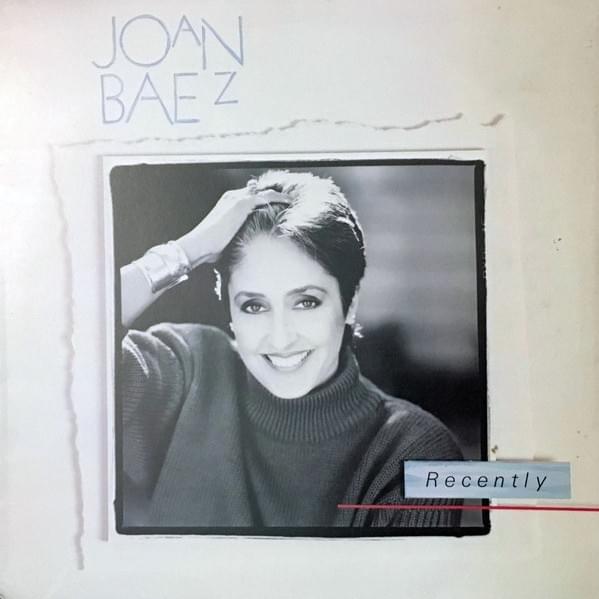
{"song_id": 14485373, "meaning": "Joan Baez's interpretation of \"Biko\" delivers a chilling lament, less a straightforward biography of the murdered South African activist Stephen Biko, and more an exploration of the emotional and psychological impact of his death. Sung primarily in German, the lyrics create a haunting sense of both immediacy and distance, forcing the listener to confront the stark reality of apartheid from a European perspective. The opening lines, referencing Port Elizabeth and a specific room number, immediately ground the song in a time and place, anchoring the abstract concept of injustice to a concrete event.
The repeated invocation of Biko's name acts as a desperate plea and a mournful mantra. The phrase \"Yihla Moja,\" seemingly a fragmented echo of mourning, further underscores the cultural context of Biko's death and the grief of those left behind. Baez avoids simplistic pronouncements, instead focusing on the insidious spread of oppression. The extinguishing of a candle becoming a raging fire is a potent metaphor for the uncontrollable nature of resistance once sparked by injustice.
The shift to dream imagery (\"Ich träum nur noch in rot\") and the stark contrast between the vibrant color of the dream and the \"schwarz-weiss\" world outside highlight the psychological toll of living under a system that seeks to erase not just lives, but also hope and memory. The final lines, \"Und alle, alle seh'n euch jetzt / Seh'n euch jetzt seh'n euch jetzt / Sie sind da,\" suggest a spectral presence, a haunting reminder that Biko's spirit and the cause he represented endure, watching and waiting for justice to prevail. The song, therefore, transcends a simple tribute, becoming a meditation on the enduring power of memory and the psychological weight of witnessing injustice."}
 View Artist