Song Meaning
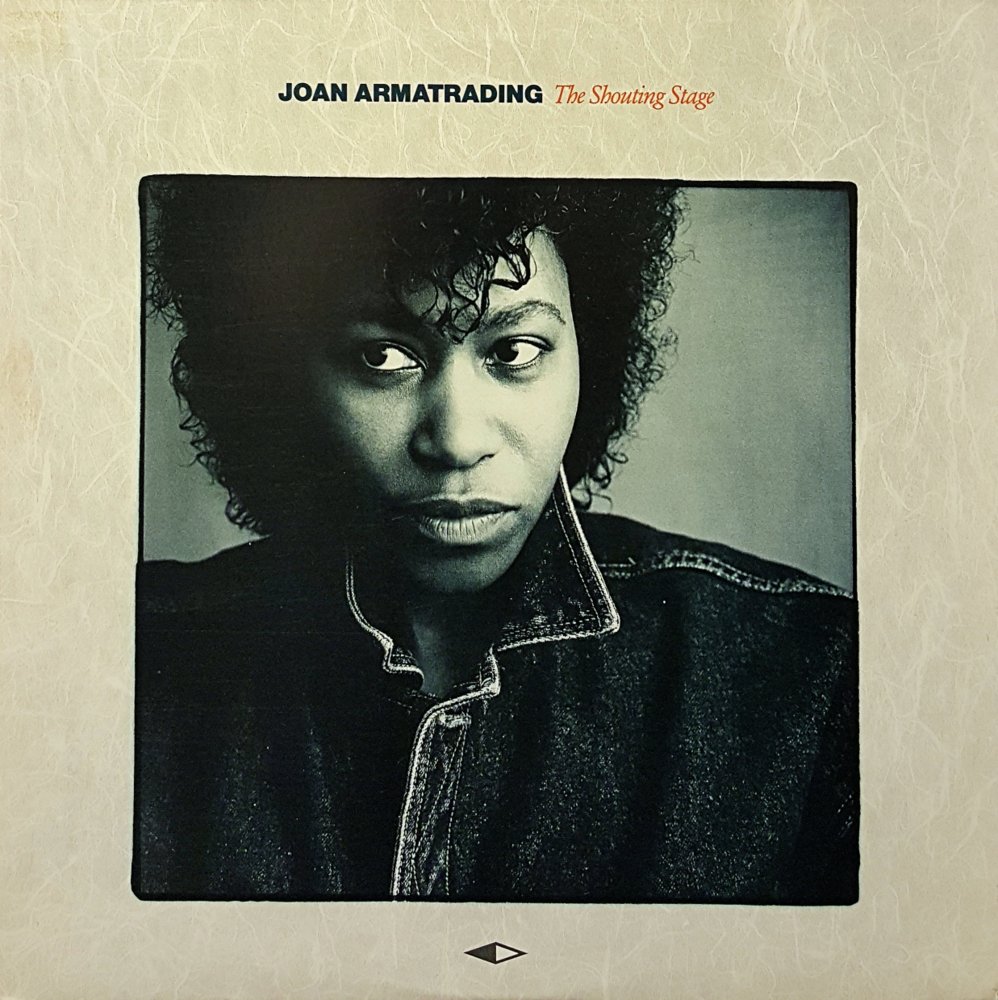
Joan Armatrading's "Innocent Request" isn't a breakup ballad; it's a sophisticated plea for necessary solitude within a relationship. The song delicately navigates the tension between deep connection and the individual need for space, a theme rarely explored with such nuanced understanding. Armatrading acknowledges the allure of shared intimacy ("I know the place where lovers go/You wanna take me there I know"), but subtly redirects, suggesting that true love isn't about constant togetherness, but rather about allowing each partner the freedom to breathe and self-reflect. It's a mature perspective, recognizing that individual well-being ultimately strengthens the bond. The 'innocent request' itself is a bold assertion of personal needs within a romantic partnership.
The core of the song meaning lies in the acceptance of imperfection and the rejection of fairytale expectations. Armatrading sings, "Life is more than fairy tales/Sometimes sad/Sometimes frail," grounding the listener in the realities of human relationships. This isn't about dramatic conflict; it's about the quiet, internal struggle to maintain individuality while being part of a couple. The lyrics subtly touch upon existential anxieties ("This troubled world/And I worry for myself/Where lies my destiny"), implying that personal exploration and self-discovery are vital for navigating life's uncertainties, and that these journeys can't always be shared. The desire to 'find ourselves' is not a rejection of the relationship, but an investment in it.
Ultimately, "Innocent Request" proposes a radical idea: that absence can indeed make the heart grow fonder, but more importantly, it can foster a deeper understanding of oneself. The recurring lines, "When we're apart/We appreciate our love," serve as a mantra, reinforcing the belief that space isn't a threat, but a vital ingredient for a healthy, enduring connection. The song is a testament to the strength and security of the bond, suggesting that a truly strong love can withstand—and even benefit from—periods of separation and individual exploration. It's a quiet revolution against the suffocating expectations of constant togetherness, advocating for a more spacious and sustainable model of love.
 View Artist