Song Meaning
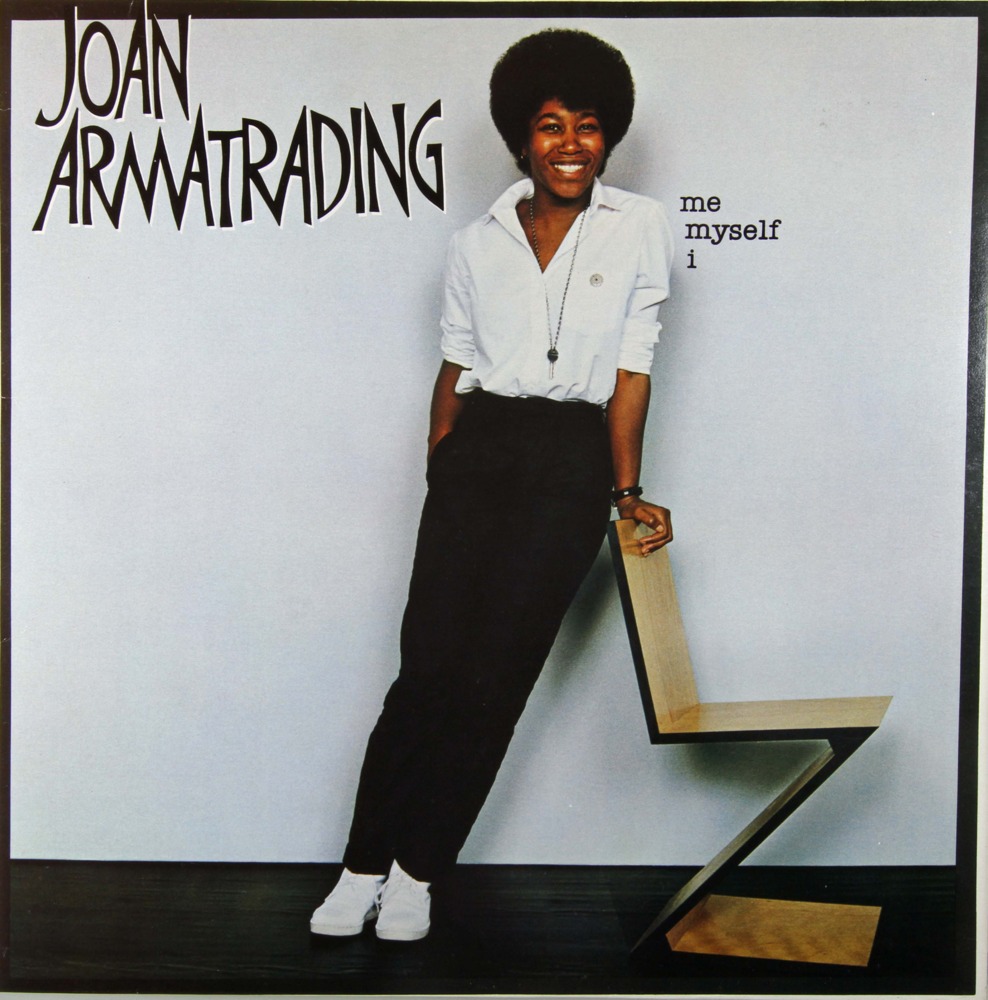
Joan Armatrading's "Me Myself I" isn't just an anthem of independence; it's a complex exploration of autonomy, desire, and the inherent contradictions within the human need for both connection and solitude. The driving rhythm and deceptively simple lyrics belie a deeper psychological landscape, one where the singer grapples with wanting it all – travel, success, love, even fleeting hedonism – but only on her own fiercely protected terms. This isn't mere misanthropy; it's a declaration of self-sufficiency born, perhaps, from a deep-seated fear of vulnerability or the compromising nature of relationships. The repeated refrain, "Me myself I," becomes a mantra, a shield against the perceived intrusions of the outside world.
The lyrics reveal a nuanced understanding of human desires. Armatrading doesn't reject pleasure or companionship outright. She yearns for exotic adventures ("I wanna go to China, And to see Japan"), material success ("I wanna be a bigshot, And have ninety cars"), and even romantic entanglements ("I wanna have a boyfriend, And a girl for laughs"). However, these desires are carefully compartmentalized, relegated to specific times and conditions that maintain her sense of control. The line "But only on Saturdays, Six days to be alone" is particularly telling, highlighting the deliberate rationing of social interaction to preserve her cherished solitude. This hints at a possible defense mechanism, a way of managing the anxieties associated with intimacy by keeping it at a safe distance.
Ultimately, the song meaning of "Me Myself I" hinges on the distinction between loneliness and being alone. Armatrading actively chooses solitude, finding comfort and strength in her own company. She explicitly states, "It's not that I love myself, I just don't want company." This isn't narcissism; it's a pragmatic acknowledgment of her own needs and a rejection of societal pressures to conform to conventional relationship models. The song resonates because it taps into a universal tension: the struggle to balance our innate social needs with the equally powerful desire for independence and self-definition. In a world that often equates happiness with partnership, "Me Myself I" offers a compelling argument for the validity and even the joy of choosing one's own path, even if that path leads to a solitary existence.
 View Artist