Song Meaning
Joan Armatrading's "Dark Truths" isn't a confession of grand betrayals, but a quietly devastating acknowledgement of human fallibility. The song meaning centers on the inherent tension between the desire to be seen as heroic and the inevitability of disappointing those who place their trust in us. Armatrading's narrator grapples with the weight of expectation, confessing to having "told some dark truths" and recognizing the unsustainable nature of maintaining a facade. It's a vulnerability rarely explored with such stark simplicity. The fear isn't of external judgment, but of internal reckoning – the moment when the idealized image crumbles and the forgiving gaze turns away. The repetition of "It's so nice / That someone thinks you're special" underscores the allure of admiration, but it's immediately tempered by the warning to "Treat them right / That trust in you is precious." This isn't about malicious intent; it's about the quiet erosion of integrity through small compromises and the dawning realization that even those closest to us may not be infinitely understanding.
The phrase "used up a few lives" is particularly evocative. It suggests not necessarily literal past lives, but rather the squandering of opportunities for genuine connection and ethical behavior. Each instance of bending the truth, each instance of prioritizing self-preservation over empathy, chips away at the foundation of trust. The repetition of "All the same / We make mistakes" isn't an excuse, but a somber observation – a recognition of the universal human condition, but one that offers little comfort. The song deftly avoids melodrama, instead opting for a tone of weary resignation. It's the sound of someone facing the consequences of their actions, not with defiance or self-pity, but with a quiet understanding that they have fallen short of the ideal.
Ultimately, "Dark Truths" is a meditation on the fragility of relationships and the responsibility that comes with being someone's hero or confidante. It highlights the psychological burden of maintaining an image and the fear of exposing the imperfections that lie beneath the surface. Armatrading doesn't offer easy answers or resolutions. Instead, she leaves us with a lingering sense of unease, forcing us to confront the uncomfortable reality that even the most well-intentioned individuals are capable of causing pain and disappointment. The song's power lies in its understated honesty and its willingness to explore the darker corners of the human psyche, where the lines between right and wrong become blurred and the consequences of our actions reverberate long after the fact.
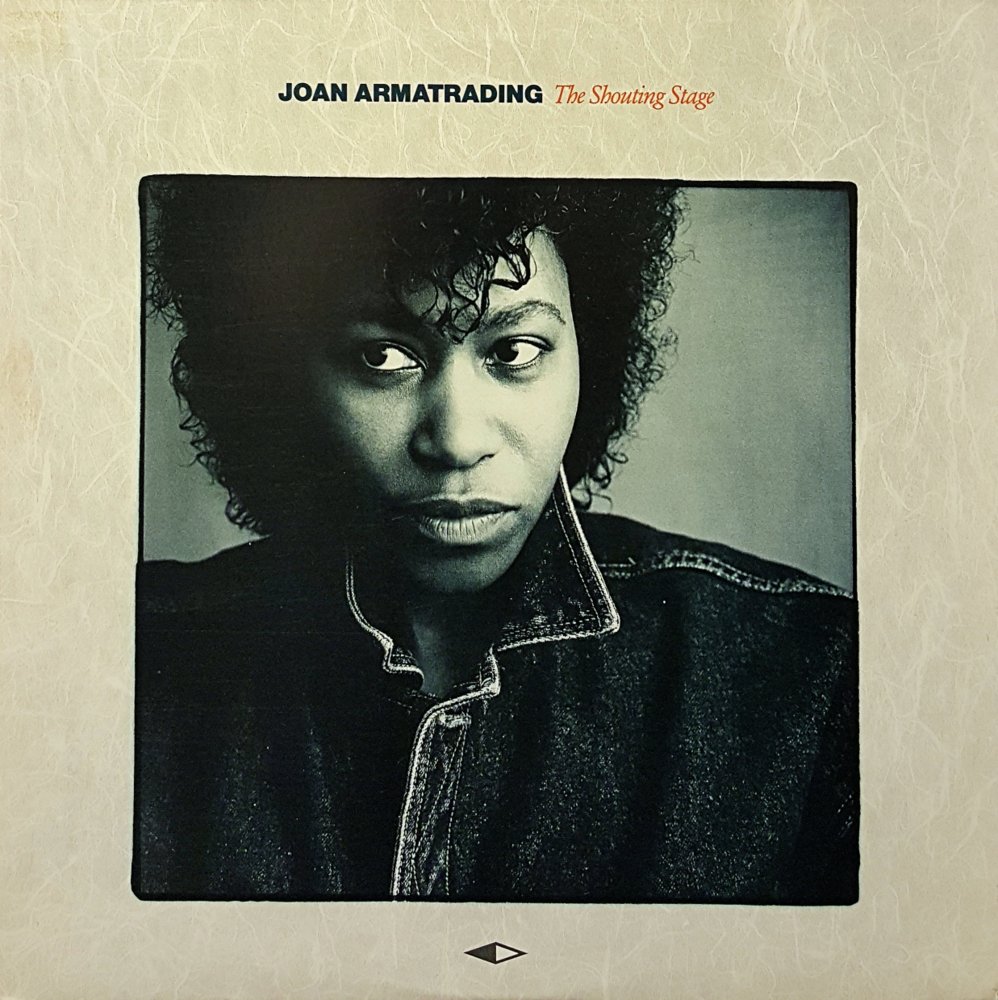
 View Artist