Song Meaning
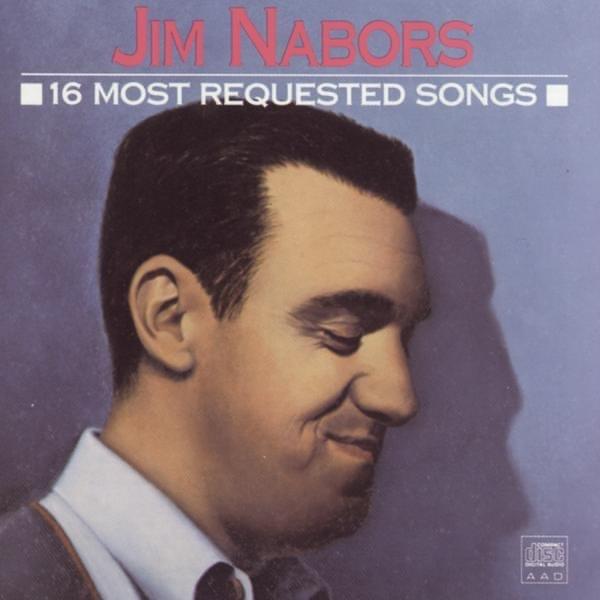
Jim Nabors, forever etched in the American psyche as Gomer Pyle, possessed a voice that could melt glaciers, a fact often overshadowed by his comedic persona. In "More," Nabors unleashes that vocal power, delivering a seemingly straightforward love song that, upon closer inspection, hints at something deeper – an almost desperate yearning for validation and permanence. The lyrics drip with superlatives: "More than the greatest love the world has known," "longer than always," "far beyond forever." This isn't just affection; it's a declaration of ownership, a staking of claim on the beloved's heart that borders on obsessive. The repetition of "no one else could love you more" underscores this insecurity, suggesting a fear that his love, despite its intensity, might not be enough.
The song's emotional core resides in the line "I know I never lived before." This isn't mere romantic hyperbole; it's a profound statement of existential dependence. The singer's very sense of self is contingent on the presence and validation of the beloved. Without this love, he ceases to exist. This level of enmeshment points to a potentially unhealthy dynamic, where one partner's identity is completely subsumed by the other. While the melody and Nabors' delivery convey a sense of heartfelt devotion, the lyrics betray a vulnerability that hints at a deeper psychological need.
"More," then, transcends the typical love song genre. It's a glimpse into a psyche grappling with issues of self-worth and the fear of abandonment. The hyperbolic expressions of love, while seemingly romantic, function as a defense mechanism, a desperate attempt to secure a connection that feels inherently fragile. Nabors' powerful voice, ironically, amplifies this sense of underlying anxiety, transforming a simple ballad into a poignant exploration of the human need for connection and the lengths to which we'll go to avoid being alone.
 View Artist