Song Meaning
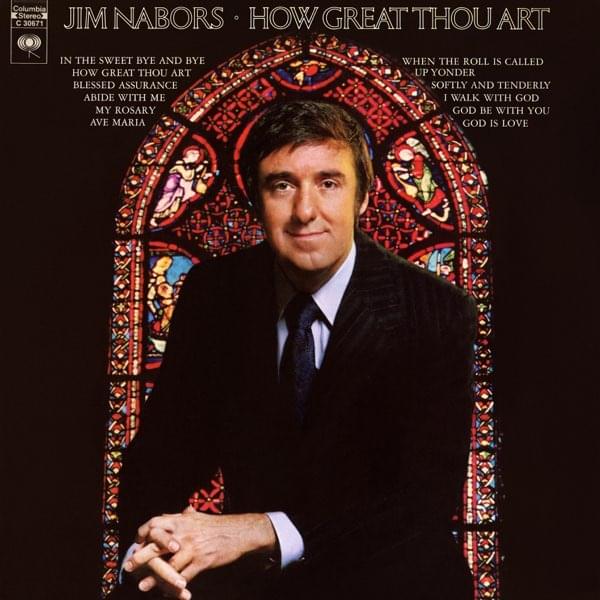
Jim Nabors' rendition of "Abide With Me" isn't just a hymn; it's a stark confrontation with mortality, draped in the comforting language of faith. Forget any simplistic notion of Sunday morning piety. This is a raw, almost desperate plea for solace in the face of life's inevitable decline. The "fast falls the eventide" isn't just about the end of a day; it's about the twilight of existence itself. Each line bleeds with the anxiety of fading strength and disappearing certainties. Nabors, with his inherently earnest delivery, amplifies the vulnerability at the song's core. It's a performance that understands the psychological weight of needing something – or Someone – to cling to when "other helpers fail."
The song's power lies in its unflinching acknowledgement of earthly transience. "Earth joys grow dim, it's glories pass away," Nabors sings, not with resignation, but with a palpable ache. The lyrics don't shy away from the darkness; instead, they plunge directly into it, seeking a light that transcends the "change and decay" that define our world. The constant refrain, "Abide with me," becomes a mantra against the encroaching void, a desperate attempt to secure a connection to something permanent amidst the impermanence. It's a universal sentiment, regardless of religious affiliation; the innate human fear of being alone in the face of oblivion.
Ultimately, "Abide With Me" transcends its religious origins to tap into a deeper, more primal human need. It's a reminder that even in our most vulnerable moments, facing the "tempter's pow'are" and the "gloom" of mortality, the search for meaning and connection remains. Nabors' performance doesn't offer easy answers or saccharine platitudes. Instead, it offers a shared space of vulnerability, a recognition of our collective fragility. The song's repeated invocation, "In life and death, Oh Lord, abide with me" serves as both an invocation and a haunting acknowledgement of the great unknown.
 View Artist