Song Meaning
The narrator faces a literal darkness, symbolized by a lamp that won't light, yet clings to an abstract belief in light. This isn't about a physical absence of illumination but a deeper, internal state. The body is "sans parure," unadorned, suggesting a stripped-down existence, unchanging from "hier" to "aujourd'hui," hinting at a persistent, perhaps melancholic, stasis.
The core tension lies between this persistent darkness and an unwavering faith in light. The narrator resists external intervention, asking not to have "toutes mes toiles" moved, preferring to handle their own affairs "plus tard." There's a plea to ignore the "désordre" that vanishes in sleep, suggesting a coping mechanism that relies on temporary oblivion rather than confrontation. This creates a fragile peace, easily disrupted.
The craft here hinges on stark contrasts and understated defiance. The repeated refrain, "Ma lampe ne s'allume plus / Mais je crois toujours à la lumière," acts as an anchor, a mantra against encroaching despair. The line "Je préfère que tu t'en ailles / Au lieu de tout décrire en noir" is particularly potent, valuing departure over a bleak, detailed analysis of the situation. It’s a quiet refusal to let external perspectives dictate internal reality.
This lyrical approach resonates because it captures a specific kind of internal struggle: the quiet persistence of hope against tangible evidence of gloom. The effectiveness comes from the narrator's refusal to be defined by their circumstances, choosing instead to hold onto an intangible belief. It’s a testament to an inner resilience that doesn't need grand gestures, just the quiet affirmation of faith in light, even when the lamp is out.
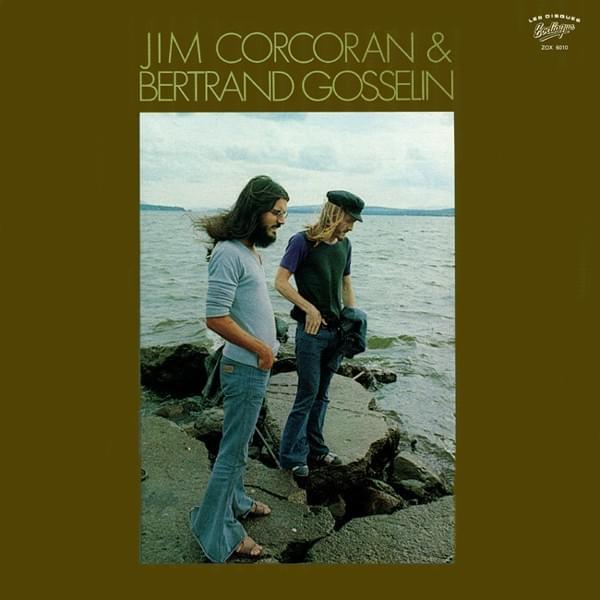
 View Artist