Song Meaning
This song paints a stark portrait of a manipulative suitor, the "méchant joaillier," who targets the "fille du capitaine." The narrator directly addresses this figure, accusing him of superficial courtship. He speaks of "gold and adventures" and "what she wants to hear," but the lyrics insist he doesn't truly value her, suggesting his intentions are transactional rather than heartfelt. The repetition of "méchant joaillier" immediately establishes a critical, accusatory tone.
The central tension lies in the contrast between the suitor's outward actions and his inner emptiness. He "caresses" and "offers lullaby and dwelling," yet the lyrics repeatedly state he "hardly esteems her," "hardly speaks to her," and "hardly inhabits" the life he offers. This highlights a profound disconnect between his performance of affection and any genuine emotional investment. The repeated phrase "Parlez donc avec le cœur, les yeux clos" (Speak then with the heart, eyes closed) serves as a plea for authenticity, a call to look beyond material offerings.
The most striking aspect of the craft is the escalating progression of the suitor's actions and the subsequent loss. Initially, he "covets" and "speaks," then he "caresses" and "tells," and finally he "possesses." Each stage is met with the same refrain of his lack of genuine engagement. The final verse marks a devastating consequence: he "lost the captain's daughter / In the seaweed of the sea," yet "hardly grieves." This final image of loss, coupled with his continued emotional detachment, is chilling.
What makes these lyrics so effective is their clear, almost fable-like structure that exposes a hollow heart. The consistent, critical address to the "méchant joaillier" and the parallel structure of his superficial actions versus his lack of true feeling create a powerful indictment. The final, irreversible loss, met with continued indifference, leaves the listener with a profound sense of the suitor's moral and emotional bankruptcy.
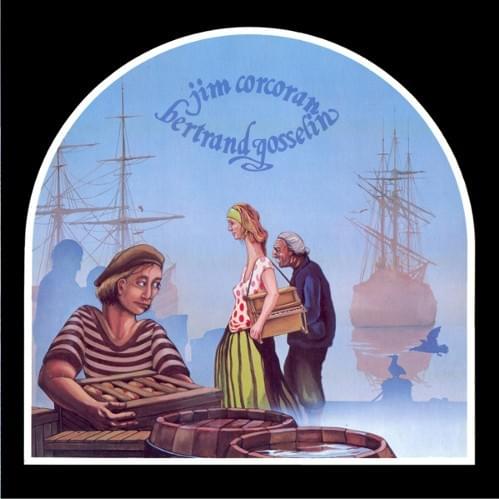
 View Artist