Song Meaning
The narrator extends an open invitation, a persistent gesture of welcome despite past hurts. There's a clear sense of history between the two individuals, marked by unresolved issues that linger, preventing a clean break. This isn't about forgetting; it's about acknowledging what remains buried, a shared past that continues to surface.
The core tension lies in the narrator's repeated willingness to offer access – their door, their hand, their heart, their soul – contrasted with a resigned acknowledgment of the limited nature of their connection. The phrase "malgré tout" (despite everything) and "malgré moi" (despite myself) highlights an internal struggle, a reluctant but enduring generosity.
The most striking element is the stark, almost anticlimactic conclusion: "T'as pas changé, tu m'fais rire / Mais c'est tout c'qu'on a à se dire" (You haven't changed, you make me laugh / But that's all we have to say to each other). This line deflates the grand gestures of opening doors and souls, reducing the interaction to a superficial, perhaps even hollow, exchange. The humor, while present, is framed as the *extent* of their communication, underscoring a profound lack of deeper connection.
This lyrical construction is effective because it juxtaposes immense emotional openness with a bleak assessment of the relationship's depth. The narrator offers everything, yet the outcome is minimal, creating a poignant sense of futility. It captures that specific ache of wanting more from someone, only to realize the shared history has led to a comfortable, but ultimately unfulfilling, stasis.
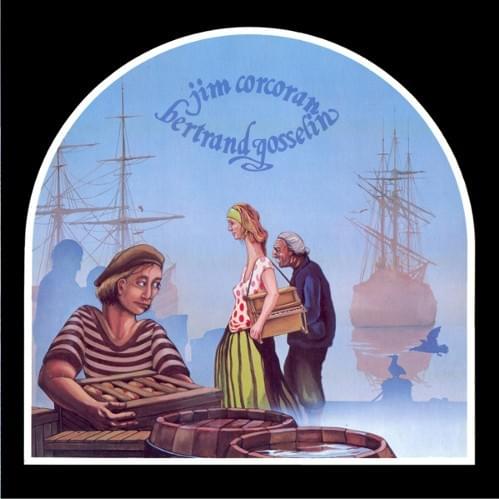
 View Artist