Song Meaning
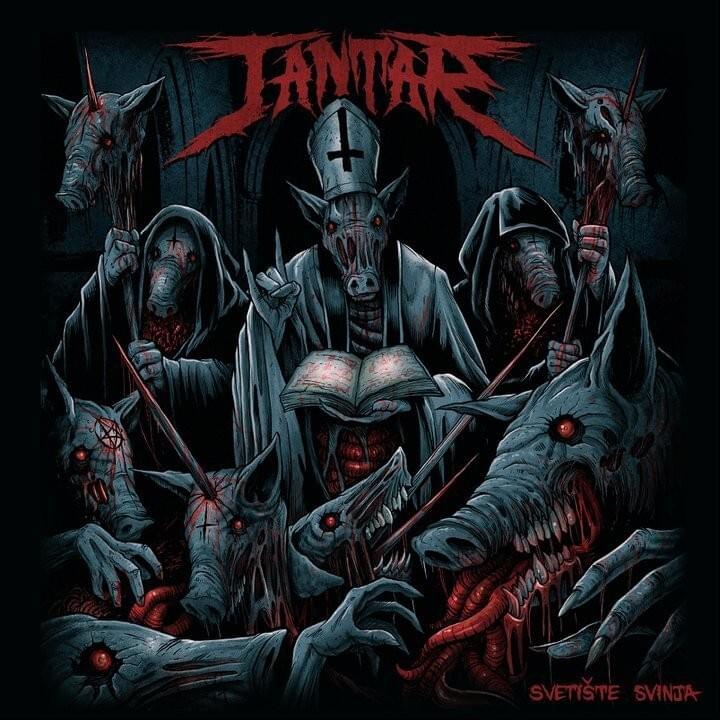
The lyrics paint a visceral, almost hallucinatory picture of profound societal and personal disillusionment. The opening lines immediately establish a tone of disgust, calling the world a "fucking shrine of pigs" and expressing an inability to move forward due to a corrupt system. This sets the stage for a torrent of violent imagery and nihilistic pronouncements, suggesting a mind pushed to its breaking point by perceived injustice and hypocrisy. The narrator seems to lash out at everything, from abstract concepts like "law" to specific targets, indicating a deep-seated rage that permeates their entire worldview.
At the core of these lyrics lies a stark conflict between the narrator's internal turmoil and the external world they perceive as irredeemably corrupt. There's a sense of being trapped, "can't go further," and a desperate, almost manic search for meaning or release. The narrator grapples with self-doubt, questioning "The wrong world, or is it me?" yet simultaneously revels in destructive fantasies. This duality suggests a mind wrestling with its own darkness, projecting its internal chaos onto the external environment and finding a perverse pleasure in its own destructive impulses.
The lyrical craft employs a relentless barrage of shocking and taboo imagery to convey this extreme emotional state. Phrases like "fucking shrine of pigs" and the graphic depictions of violence, though disturbing, serve to shock the listener into confronting the narrator's raw, unfiltered anguish. The repetition of violent acts and the use of vulgarity aren't just for shock value; they seem to be the only language capable of expressing the depth of the narrator's despair and rage. The juxtaposition of extreme violence with moments of supposed tenderness, like "gentle sometimes like gravedigger foreplay," creates a disorienting effect that mirrors the fractured psyche being described.
Ultimately, the effectiveness of these lyrics stems from their unflinching portrayal of extreme psychological distress and societal critique. The narrator's descent into violent fantasy, while disturbing, offers a raw, unfiltered glimpse into a mind overwhelmed by perceived corruption and despair. The deliberate use of taboo language and imagery forces the listener to confront uncomfortable truths about societal decay and the potential for inner darkness. It's a cathartic, albeit brutal, expression of alienation, where the only perceived escape is through destruction and nihilism, leaving the listener with a sense of unease and a profound, unsettling empathy for the narrator's pain.
 View Artist