Song Meaning
The narrator starts by vehemently rejecting trot music, dismissing it as "old," "tacky," and "predictable" with a "tacky melody." They contrast this with their supposed superior taste, citing R&B, hip-hop, and jazz as their preferred genres. This initial stance paints a picture of someone trying to distance themselves from something they perceive as unsophisticated, associating it with childhood memories of their grandmother and their father's drinking habits.
However, a significant shift occurs as the narrator admits to a growing, unsettling change within themselves. The lyrics reveal a creeping irony: despite their proclaimed disdain, they find themselves unconsciously humming trot tunes, especially after a drink, just like their father. This creates a central tension between their cultivated identity and an emerging, perhaps inherited, emotional connection to the very music they despise. The repeated phrase "사랑은 얄미운 나비인가 봐" (Love is a hateful butterfly) becomes a refrain that seems to mirror this complex, involuntary pull.
The most striking aspect of the craft is this unfolding internal conflict, presented through a subtle, almost reluctant confession. The narrator's initial pronouncements of musical superiority gradually crumble as they acknowledge the music's pervasive, almost inescapable presence in their life, from aerobics classes to office parties. The lyrics suggest that the "sticky melody" of trot, once dismissed, now resonates on a deeper, emotional level, leading to unexpected tears and a heartfelt, albeit conflicted, vocalization.
Ultimately, the effectiveness of these lyrics lies in their honest portrayal of how deeply ingrained cultural or familial influences can resurface, challenging our carefully constructed identities. The narrator's struggle isn't just about musical taste; it's about confronting a part of themselves, and perhaps their past, that they tried to reject. The unexpected emotional response—singing at the top of their lungs, tears flowing—highlights how deeply certain sounds can connect with us, even when we consciously resist them.
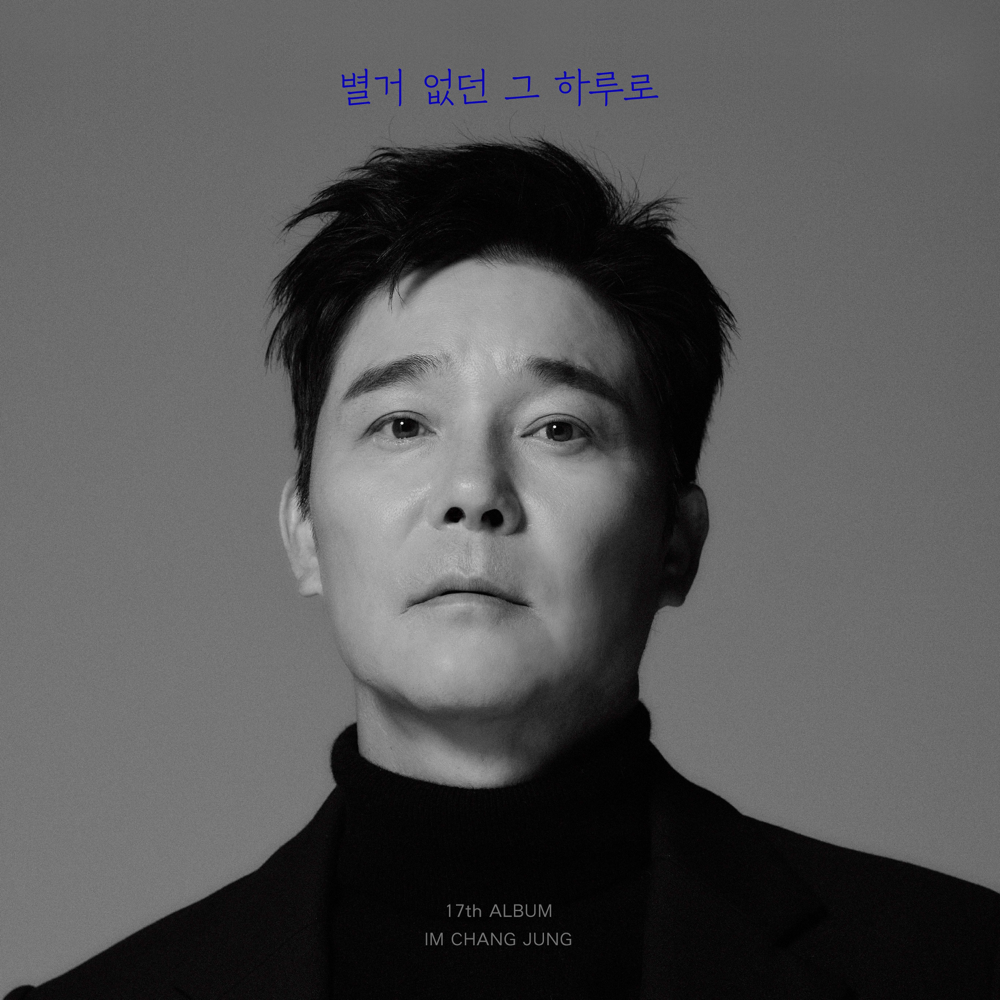
 View Artist