Song Meaning
This song paints a raw picture of someone grappling with deep insecurity in a relationship. The narrator questions what their partner sees in them, admitting to being "평범한 사람이라서" (just an ordinary person) and constantly plagued by worry. There's a palpable sense of dread that their true, perhaps darker, self might emerge and hurt the person they love, a fear that surfaces as "모습이 너를 찌를지도 몰라" (my other side might stab you).
The central tension lies in the immense difficulty the narrator perceives in simply existing by their partner's side. "내 곁으로 사는 건" (living as by my side) is framed as an almost unbearable challenge, more taxing than anything else. Yet, the partner's continued presence, their act of coming to someone so flawed, is what allows the narrator to endure their own pain. This paradox – the immense struggle of the relationship for the narrator, juxtaposed with the partner's unwavering commitment – forms the emotional core.
The most striking lyrical device is the repeated, almost obsessive, questioning of the partner's motives and the narrator's own worthiness. Phrases like "부족한 내가 뭐가 좋다고" (what good do you see in my lacking self) and the recurring fear of their "다른 모습" (other side) highlight a profound self-doubt. The bridge offers a glimmer of hope and a shift in perspective, as the narrator resolves to protect the partner who once protected them, suggesting a potential growth spurred by the relationship.
Ultimately, the lyrics resonate because they articulate a vulnerable, almost painful, gratitude. The narrator feels reborn simply by having their partner, acknowledging that their partner shares not just their life but "나의 아픔까지 나눠간 거야" (even my pain). The repeated "너에겐 참 모자란 그 말" (those words that are so lacking for you) at the end, likely referring to "thank you" and "I love you," underscores the narrator's ongoing struggle to adequately express the depth of their feelings and appreciation for a love they feel so undeserving of.
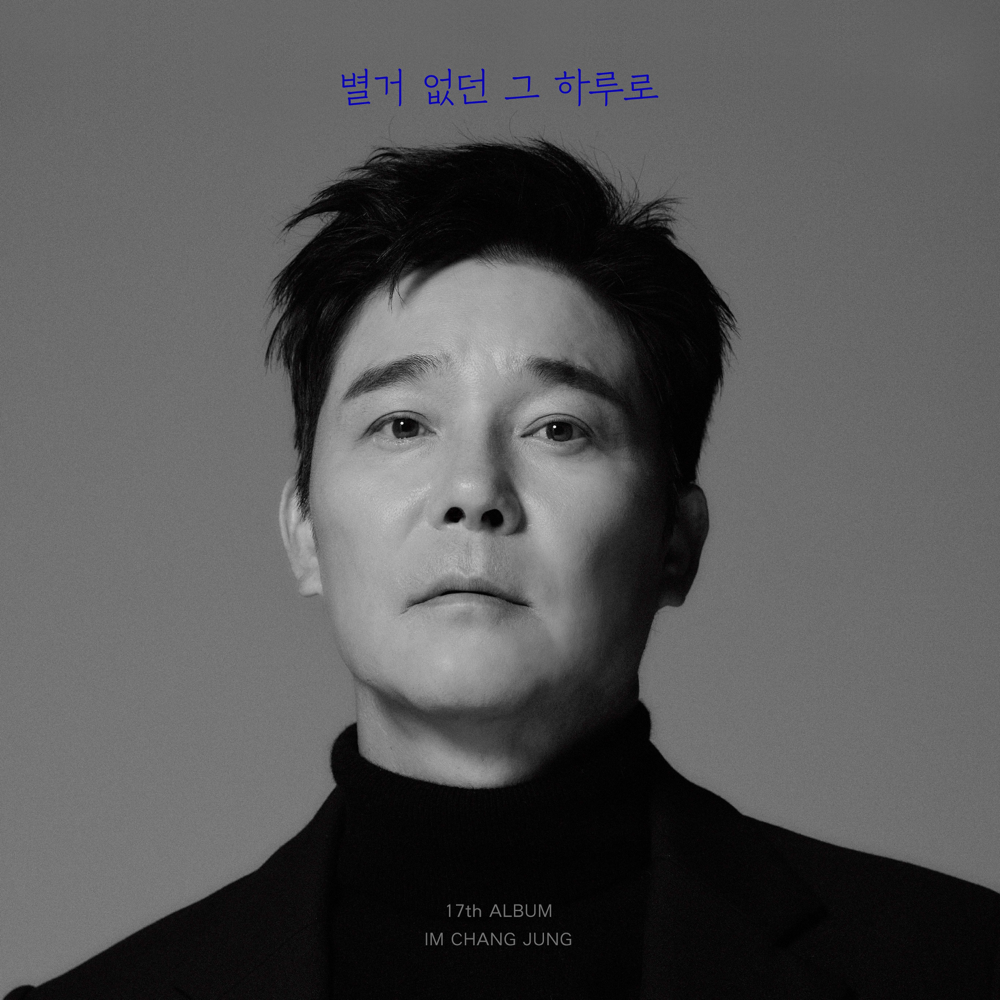
 View Artist