Song Meaning
The lyrics present a stark, repetitive call-and-response structure centered around the phrase "Toro mata," which translates to "the bull kills." This immediately establishes a tone of danger and primal confrontation. The repeated invocation of the bull's lethal action, interspersed with "rumbandero" (a dancer or reveler), suggests a scene where revelry is directly threatened by a violent force. The initial lines paint a picture of an inescapable, recurring threat, setting a tense atmosphere.
The narrative shifts with the introduction of "Yo vengo porque es mi gusto / Y en mi gusto nadie manda," meaning "I come because it is my pleasure / And no one commands my pleasure." This declaration of personal will and defiance stands in sharp contrast to the passive threat of the "toro mata." It suggests an individual asserting agency and freedom, even in the face of potential danger, refusing to be dictated to by external forces or circumstances.
The latter half introduces a disturbing xenophobic element with "Ese negro no es de aquí / Ese negro es de Acarí / Hay que matar a ese negro." This translates to "That black man is not from here / That black man is from Acarí / We must kill that black man." The lyrics then question who brought him there, fueling a mob mentality. The phrase "Ay la ponde ponde" acts as a chant, amplifying the aggression and the call for violence against the outsider, directly linking the earlier sense of danger to a specific, targeted act of hatred.
This juxtaposition of primal threat and defiant personal will, culminating in a brutal, xenophobic incitement, creates a powerful and unsettling emotional arc. The repetition of "Toro mata" initially evokes a sense of unavoidable fate or danger, but the later verses recontextualize it as a potential justification or parallel for the violent impulse directed at the perceived outsider. The craft lies in how the simple, almost ritualistic repetition of the initial threat is weaponized to amplify the chilling call for murder, transforming a general sense of danger into a specific, hateful act.
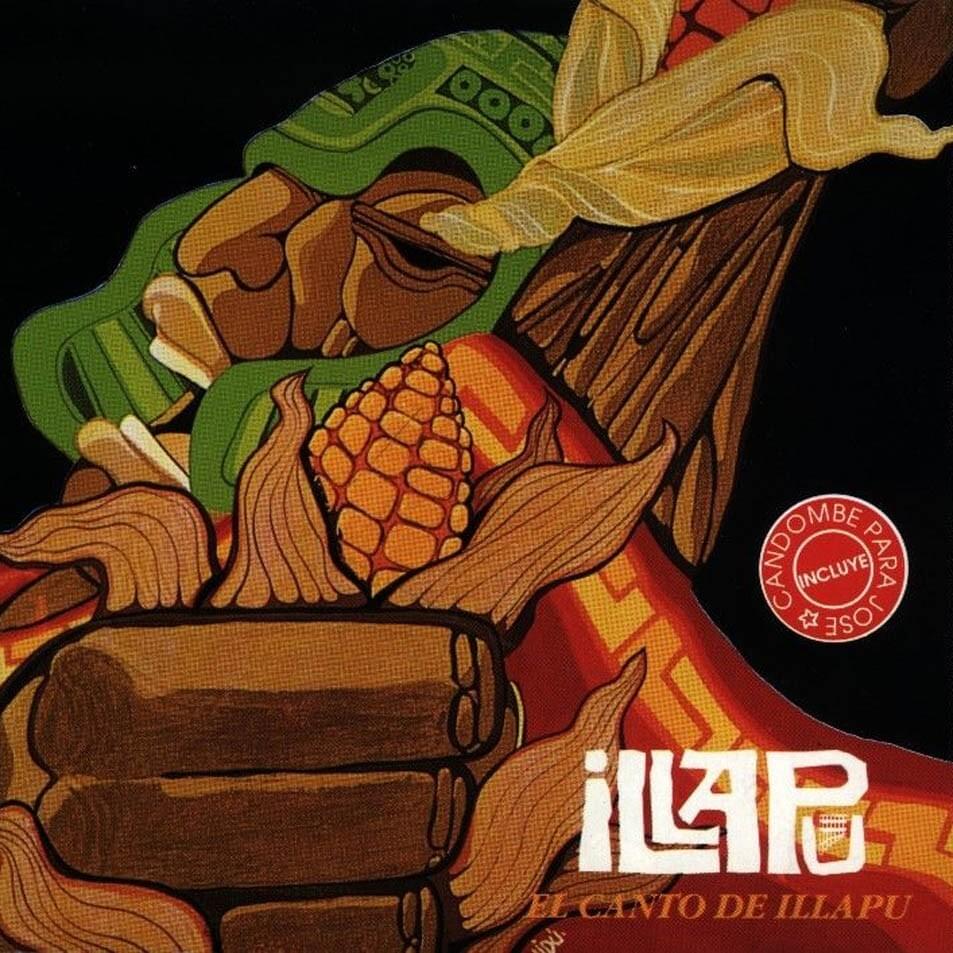
 View Artist