Song Meaning
The lyrics immediately paint a picture of departure. Young men are leaving, and the repetition of "se van, se van" underscores this movement. A deep sense of finality hangs heavy, emphasized by the stark declaration "jamás, jamás." It's a poignant farewell, perhaps forever.
The core tension lies between the absolute finality of the departure and a fragile, conditional hope. The speaker addresses a "Palomita," a tender term that softens the harsh reality of "no volver." This plea or observation introduces a glimmer of possibility, but it's tied to a specific action: "Tendrás que hacer otra fiesta." The leaving isn't just a simple exit; it carries a weight of community expectation or ritual.
The contrast between the definitive "jamás, jamás" and the conditional "algún día" is striking. The lyrics suggest that while the departure is presented as permanent, there's a specific, almost ritualistic, requirement for return: "otra fiesta." This isn't just a casual gathering; it implies a significant communal effort or celebration needed to reverse the boys' seemingly irreversible exit. The "Palomita" might even be seen as a messenger or a symbol of this fragile hope.
The emotional punch of these lyrics comes from their stark simplicity and the strategic use of repetition. The repeated phrase "A este pueblo tan querido" at the very end grounds the abstract idea of departure in a concrete, beloved place. This final detail transforms the leaving from a mere physical act into a profound emotional severance from a cherished home, making the absence resonate deeply with a sense of loss for the community left behind.
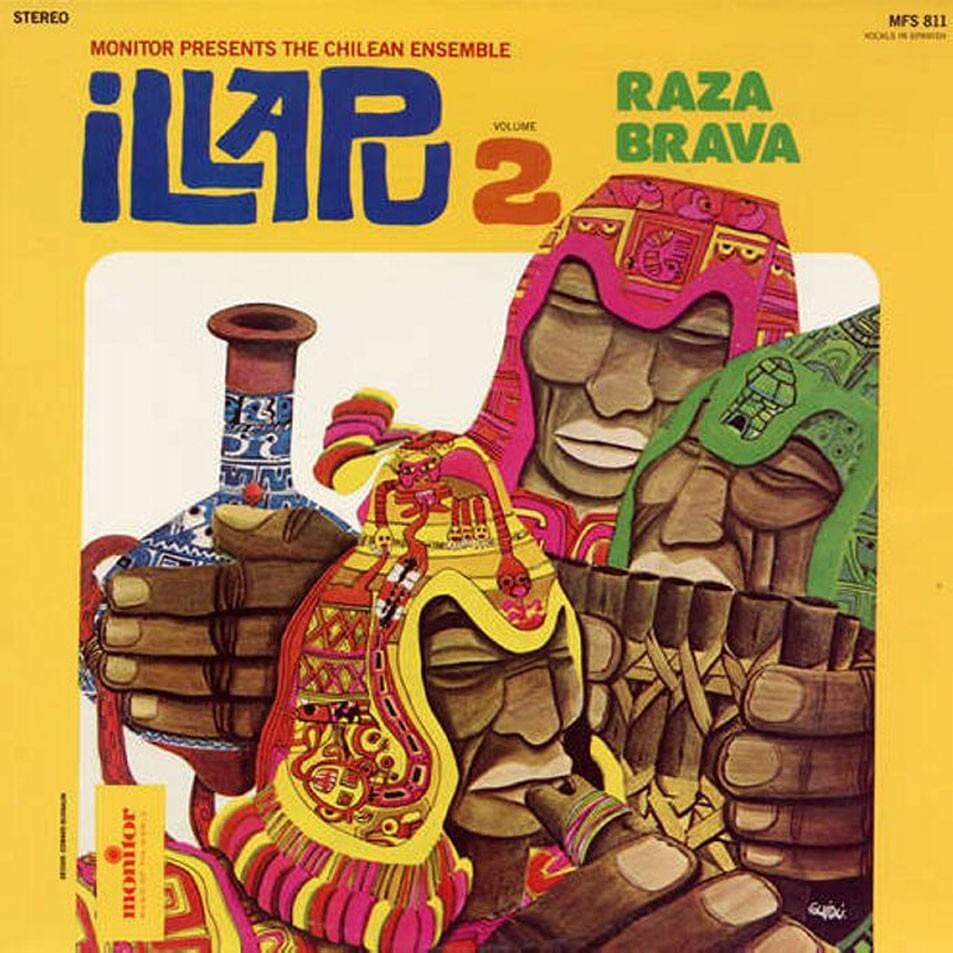
 View Artist