Song Meaning
The lyrics paint a portrait of Anita Manuela, a woman whose life and work have profoundly impacted many. The opening lines, "El tiempo avanza / Has marcado el tiempo / De muchos hombres," immediately establish her as a figure of significant influence, someone who has shaped moments and lives. The recurring phrase "Anita Manuela, mil manos" suggests a tireless, multifaceted presence, capable of accomplishing a great deal.
The central tension revolves around Anita Manuela's relentless pursuit of peace and her dedication to work, as indicated by "Naciste para buscar / Para la Paz que buscas / Y buscas para el trabajo." This drive is presented not as a solitary endeavor, but one that is increasingly supported. The lyrics shift from acknowledging her past solitary efforts to celebrating her present communal strength, stating, "Ya no vas sola / Anita Manuela, mil manos."
A striking element is the contrast between external hardship and internal resilience. "Te rodean inviernos / Pero no más silencio" implies periods of difficulty or isolation, yet her voice is now growing, demanding to be heard. The transformation from "mujer sin llanto" (woman without tears) to a voice that becomes "canto" (song) signifies a powerful emergence, turning past struggles into a source of strength and expression.
Ultimately, the effectiveness of these lyrics lies in their evocation of a powerful, evolving female figure. The repeated emphasis on "mil manos" and the declaration "Nunca caminas sola" build a sense of her immense capacity and the network of support she either possesses or inspires. The narrative arc from solitary striving to communal affirmation and vocal emergence creates a deeply resonant tribute to her enduring spirit and impact.
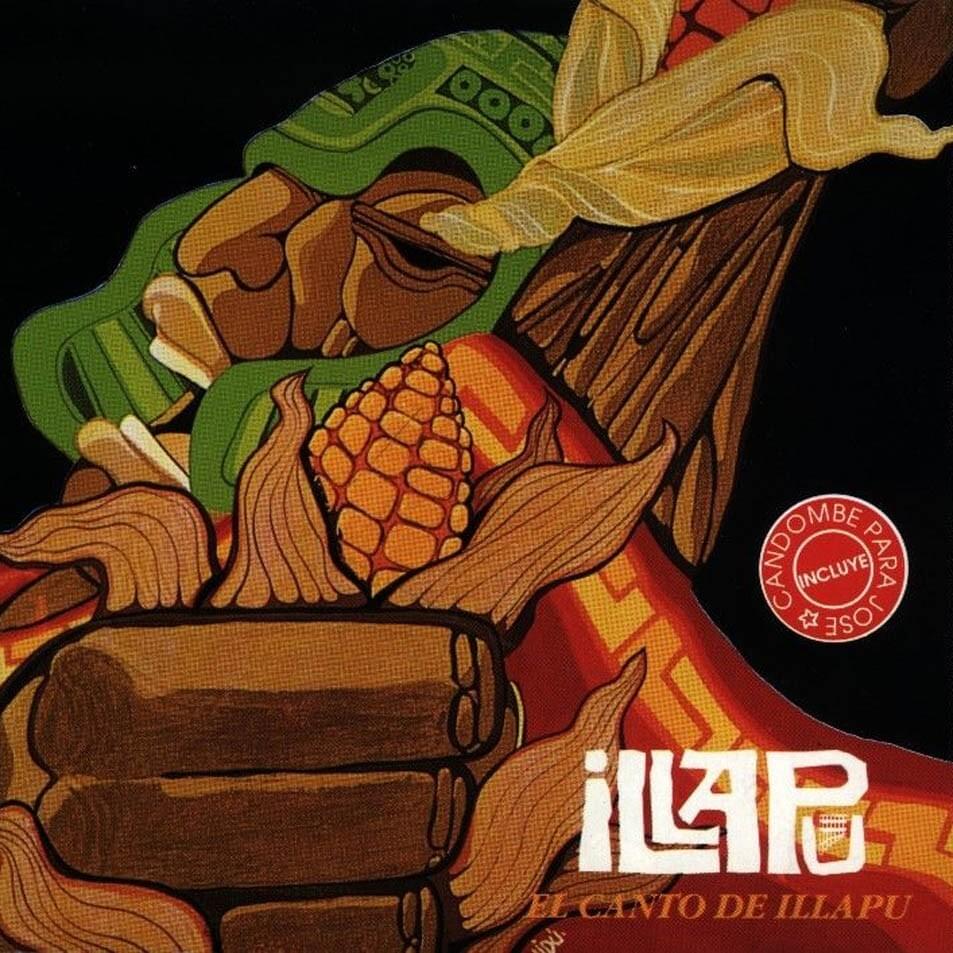
 View Artist