Song Meaning
The narrator addresses "Mariposita," a term of endearment, painting a picture of someone who claims a fleeting, conditional status. He asserts he's "casado por esta noche" (married for tonight) and "soltero toda la vida" (single my whole life), immediately establishing a playful, perhaps deceptive, persona. This sets up a central tension: the contrast between temporary commitments and a desire for perpetual freedom.
The lyrics reveal a man who juggles different roles for different purposes. He claims to have a "novia por divertirme" (girlfriend for fun) and a "esposa por no aburrirme" (wife to not get bored), suggesting a strategy of using relationships to manage his own ennui. The commitment is explicitly limited: "Me caso por una semana / Por más tiempo no me da gana" (I'll marry for a week / For longer, I don't feel like it), reinforcing the idea that his entanglements are designed to be brief and self-serving.
The most striking element is the stark, almost cynical, dichotomy presented in the final stanza. The narrator contrasts the "soltero" (single man) who is "siempre cantando" (always singing) and "siempre riendo" (always laughing) with the "casado" (married man) who is "siempre llorando" (always crying) and "siempre sufriendo" (always suffering). This creates a rigid, binary view of relationships, where one state is pure joy and the other is pure misery, a simplification that highlights his fear of lasting commitment.
This lyrical construction works because it taps into a fantasy of unburdened existence, while simultaneously acknowledging the potential loneliness or superficiality of such a life. The repetition of "Mariposita" and the direct address make it feel like a confession or a boast to a specific listener, drawing the audience into this carefully constructed, yet ultimately hollow, persona. The stark, almost childish, contrast between the single and married states makes his avoidance of deeper connection feel both understandable and deeply sad.
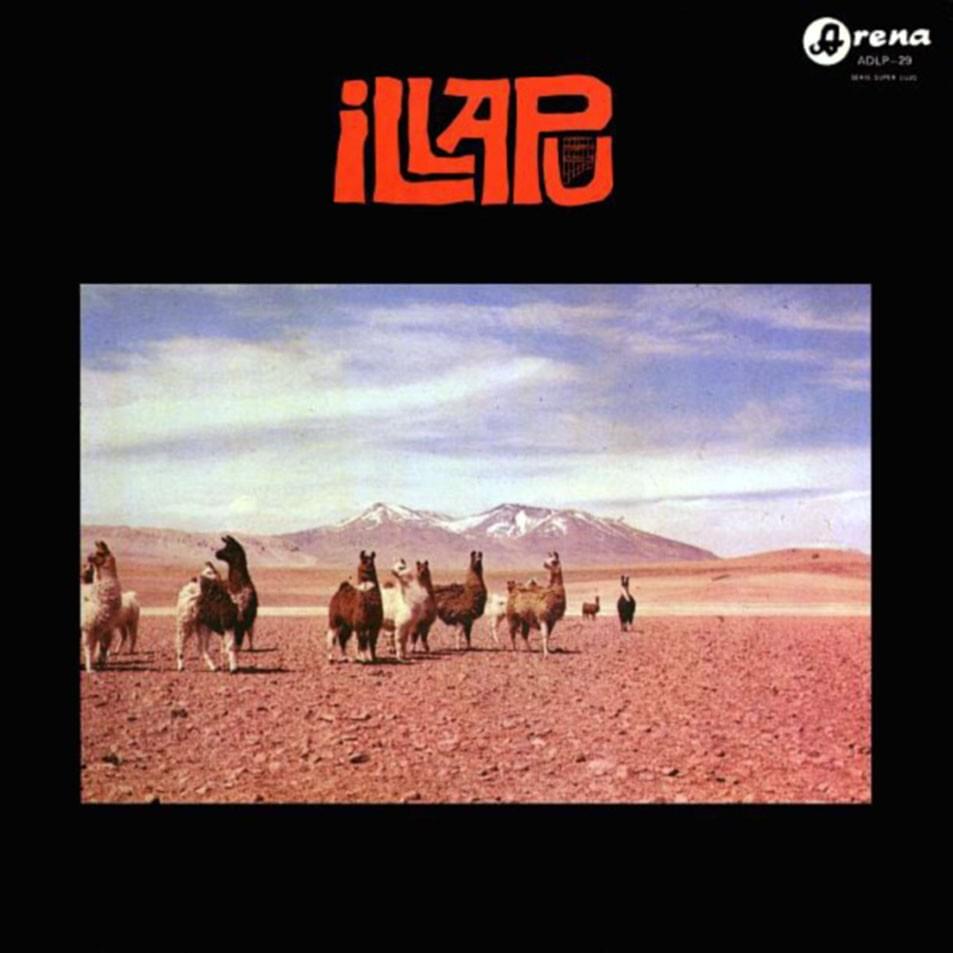
 View Artist